


Z31 Parts Differences and Interchange
What swaps between 1984-1986 (Zenki) and 1987-1989 (Kouki) Z31s, and what doesn't. This covers the body panels, lights, interior pieces and a few other parts people ask about most when hunting for used parts or doing a front or rear conversion.
Click any photo for a larger view. For the trim levels and models themselves, see Model Variations.
Turbos
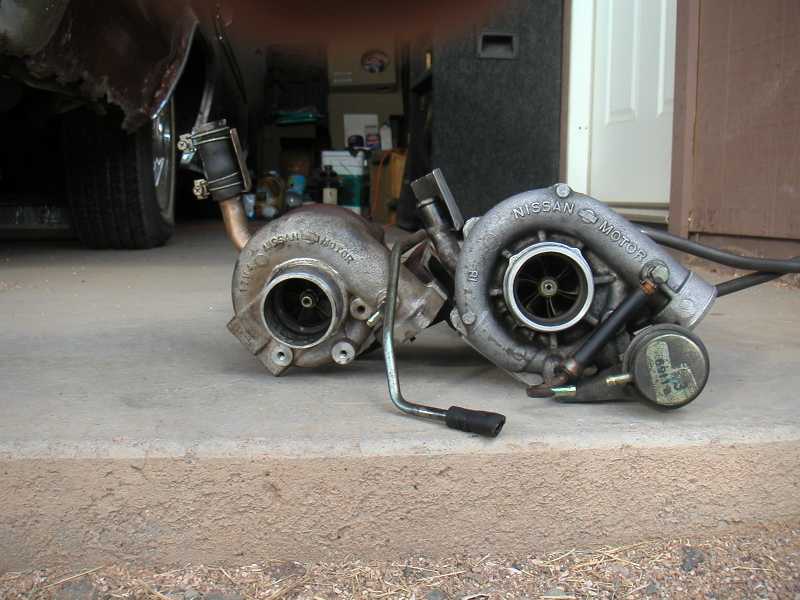
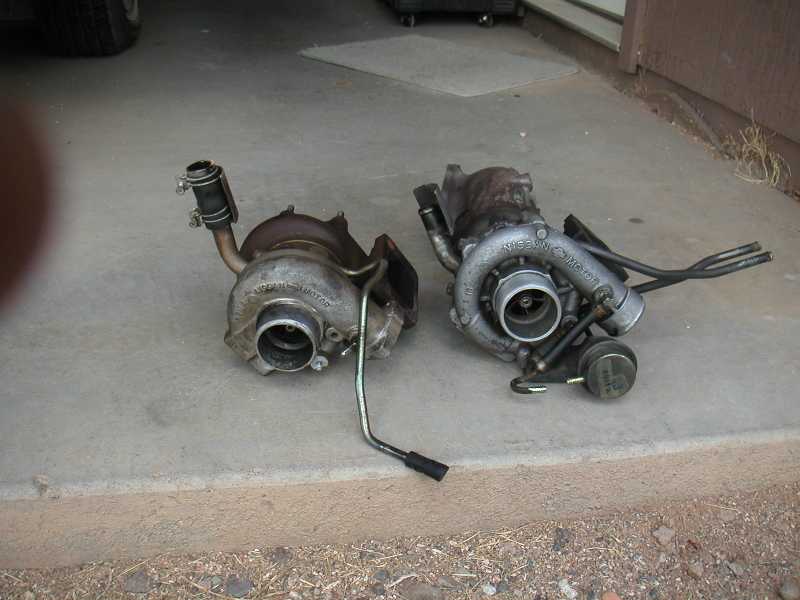
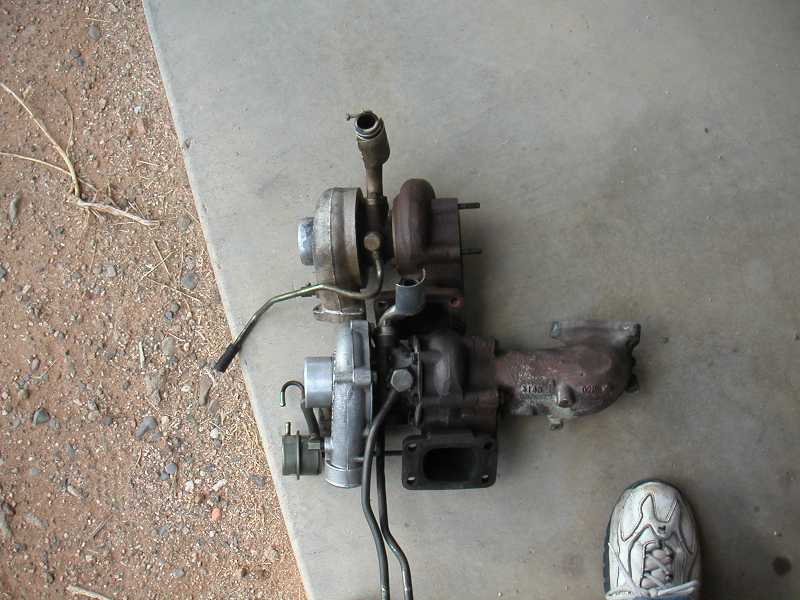
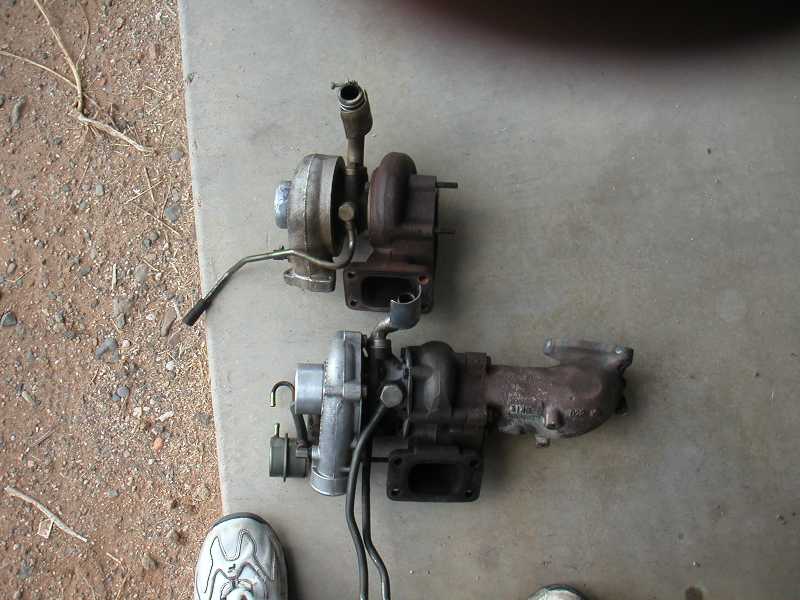
- 1984: Garrett T3, oil lubricated, air cooled, about 6.7 psi.
- 1985-1987: Garrett T3, oil lubricated, water cooled, about 6.7 psi.
- 1988-1989: Garrett T25, oil lubricated, water cooled, about 4.5 psi.
The T3 is noticeably bigger than the T25, as these photos show.
Hoods
Hoods interchange between all body styles (2-seater and 2+2) within the same year range, 1984-1986 or 1987-1989. The trouble starts when you put a 1987-1989 hood on a 1984-1986 car, or the other way around.
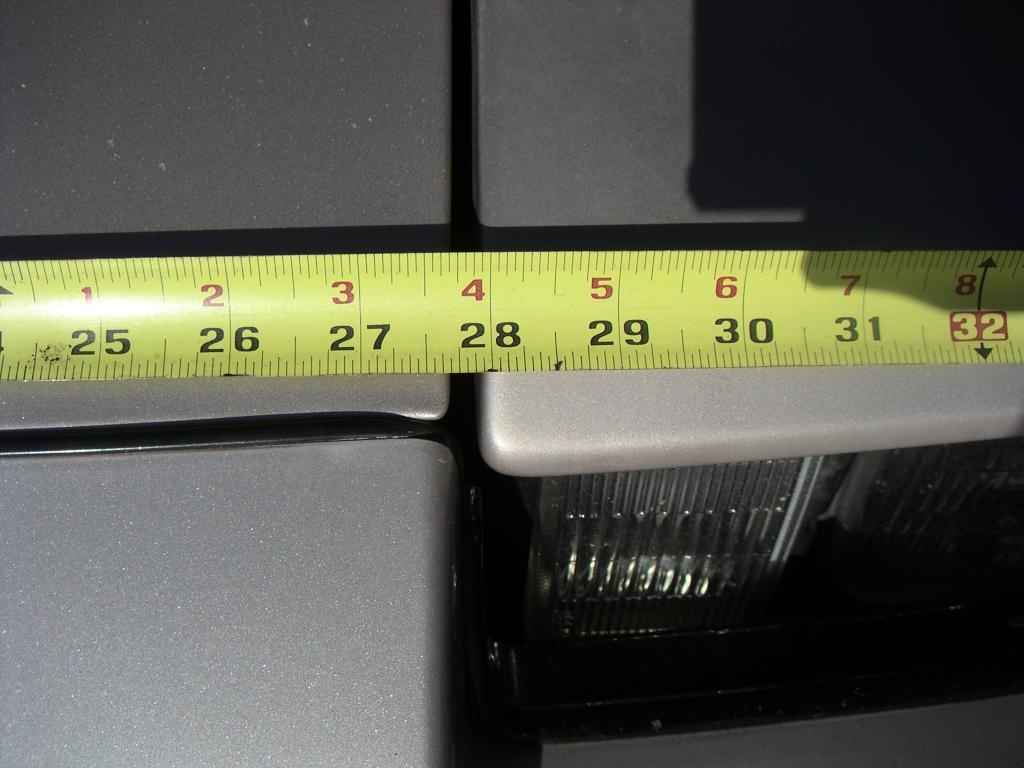
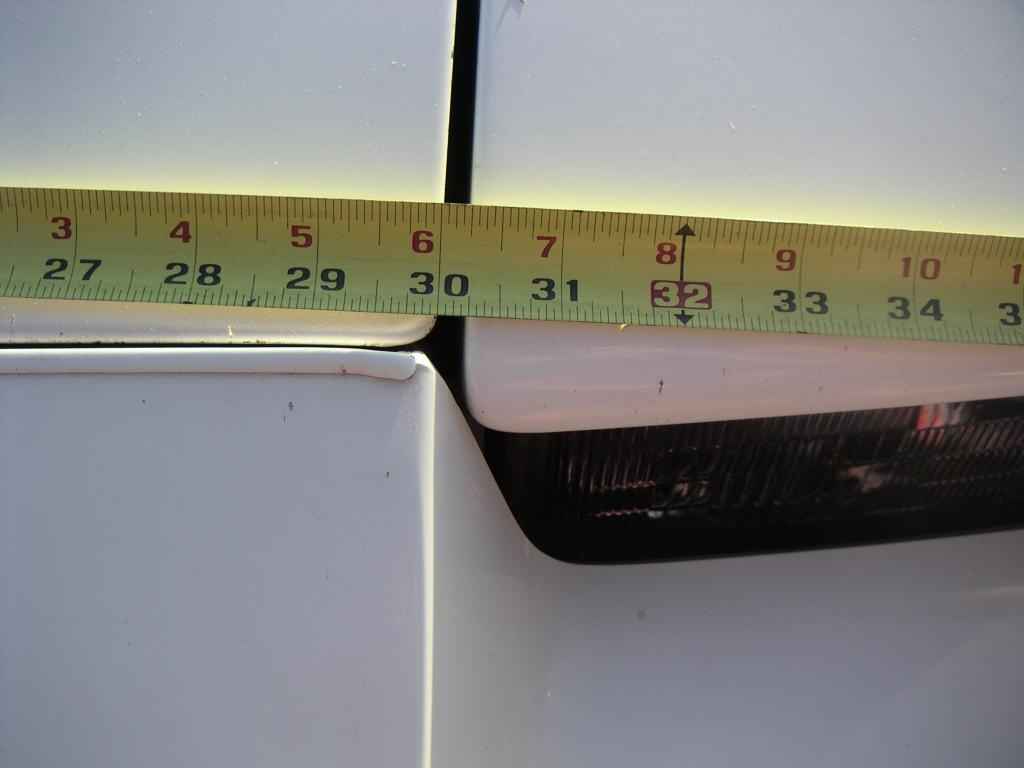
The hoods are the same length and basic shape, but the 1987-1989 cars have narrower headlights, so the hood is wider between them:
- 1987-1989 hood: exactly 30" between the headlights.
- 1984-1986 hood: 27-11/16" between the headlights.
The only variation among the 1984-1986 hoods is the scoop on the 1984 and 1985 turbo hoods, which sits right above the turbo to help cool it.
You can trim a 1987-1989 hood to fit an early car, or put a 1984-1986 hood on a late car and live with a gap of over an inch. To make it look right, you really need the hood, headlight assemblies and front bumper together. See the Zenki to Kouki front conversion.
Headlights
There are only two headlight styles.
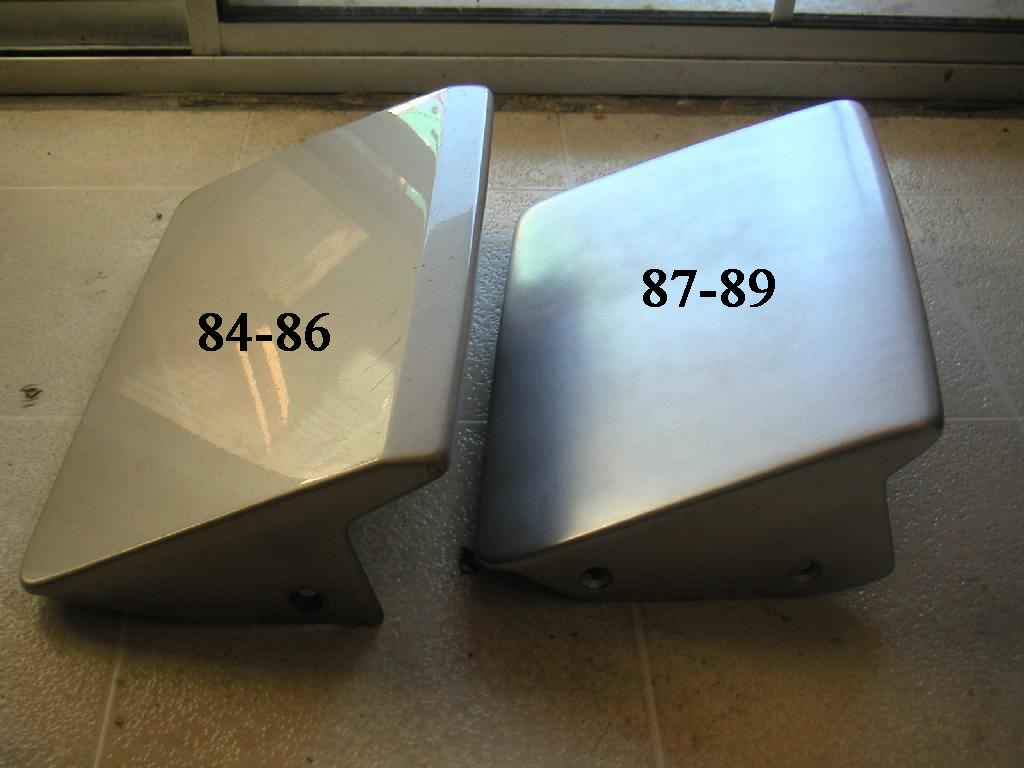
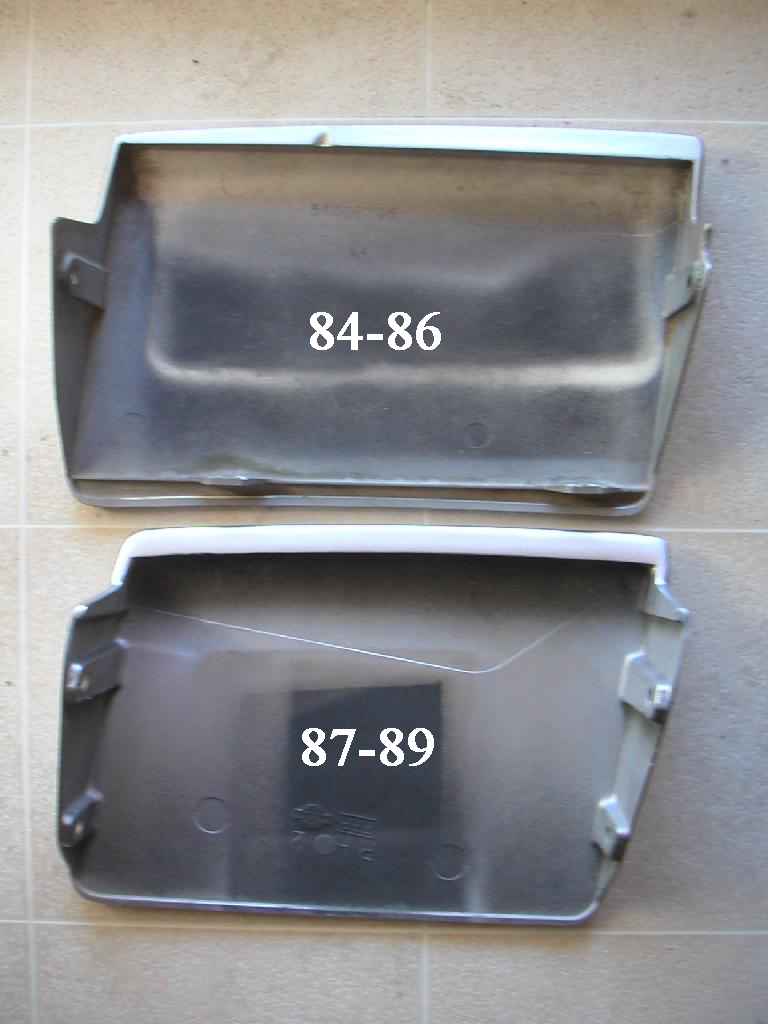
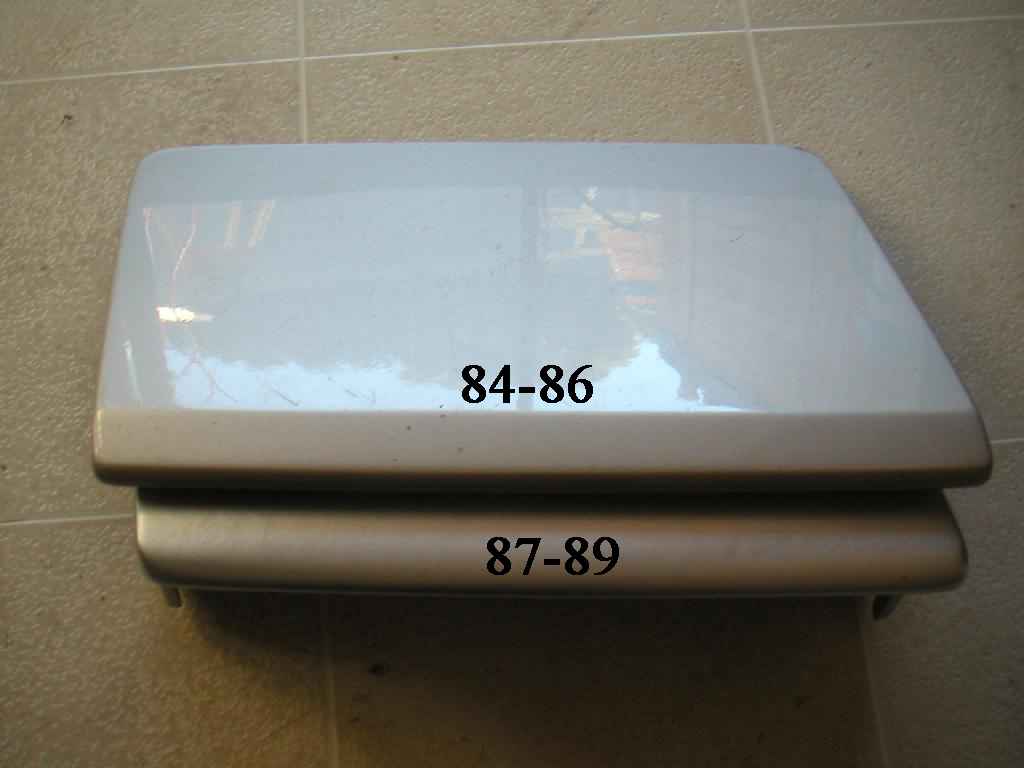
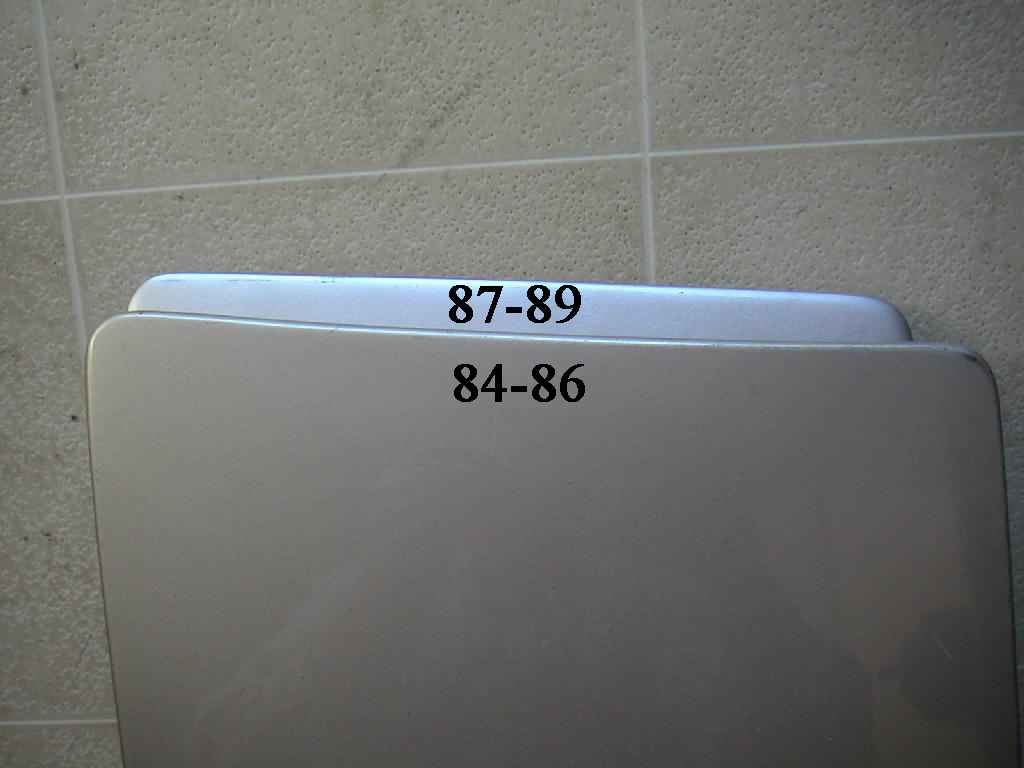
- 1984-1986: high and low beam in a standard 6054 sealed beam, with the fog/auxiliary light right next to it using an H3 bulb.
- 1987-1989: a replaceable bulb in a much larger headlamp. The fog/auxiliary lights moved down into the bumper.
The headlight covers are different too:
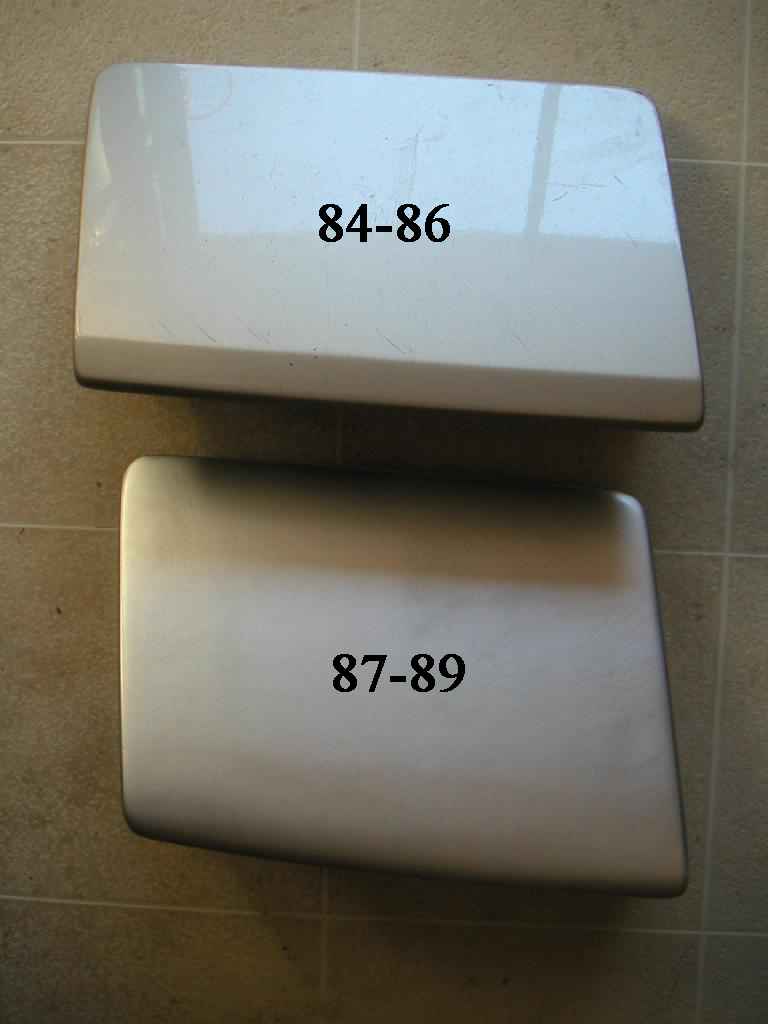
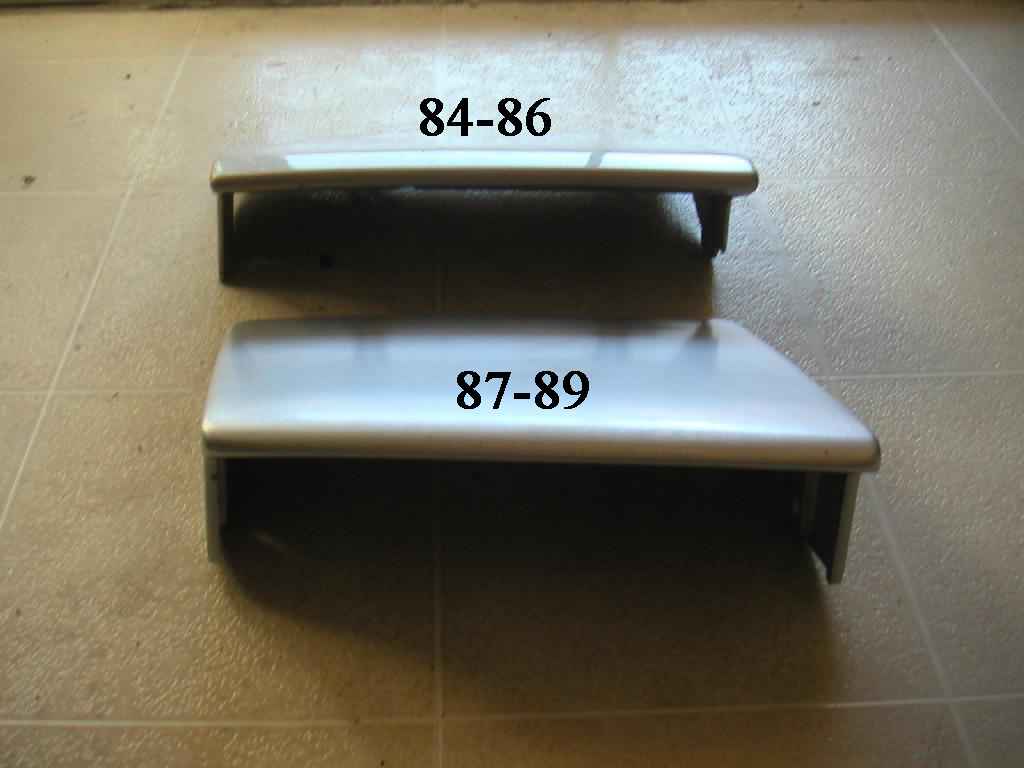
Having trouble with yours? See Headlamp issues and the fix for them.
Bumpers
Front
Bumpers from every year interchange with little to no modification, but keep the front bumper with a hood from the same year range or the gaps won't line up.
- All 1987-1989 front bumpers are the same.
- All 1984-1986 non-turbo front bumpers are the same.
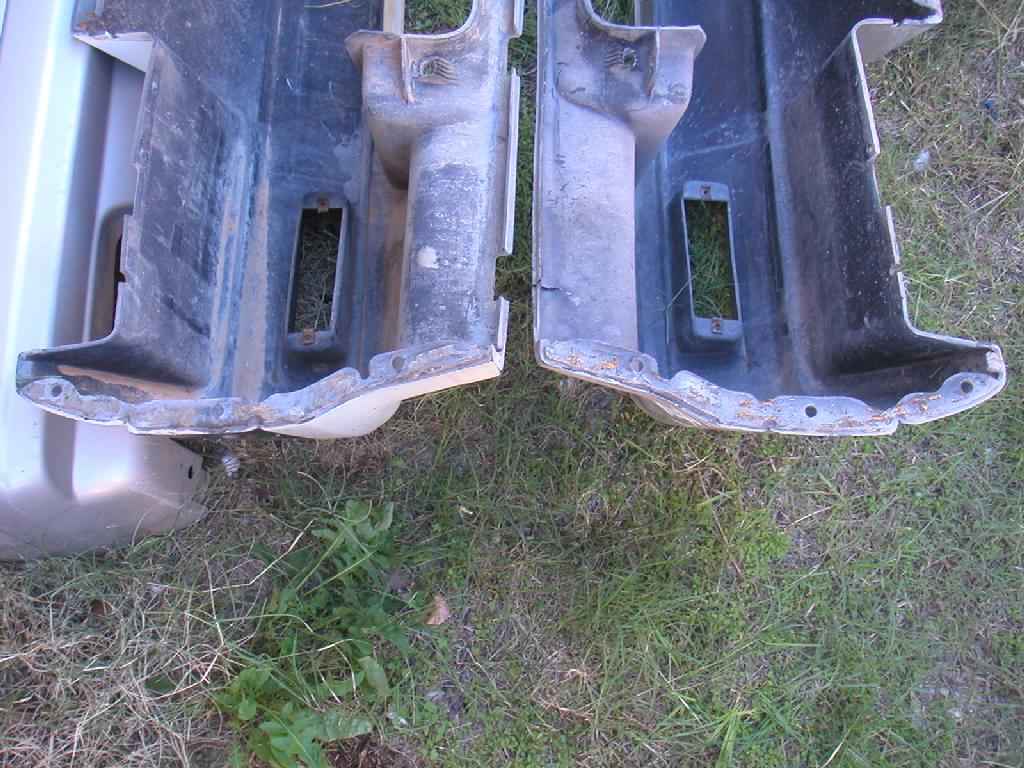
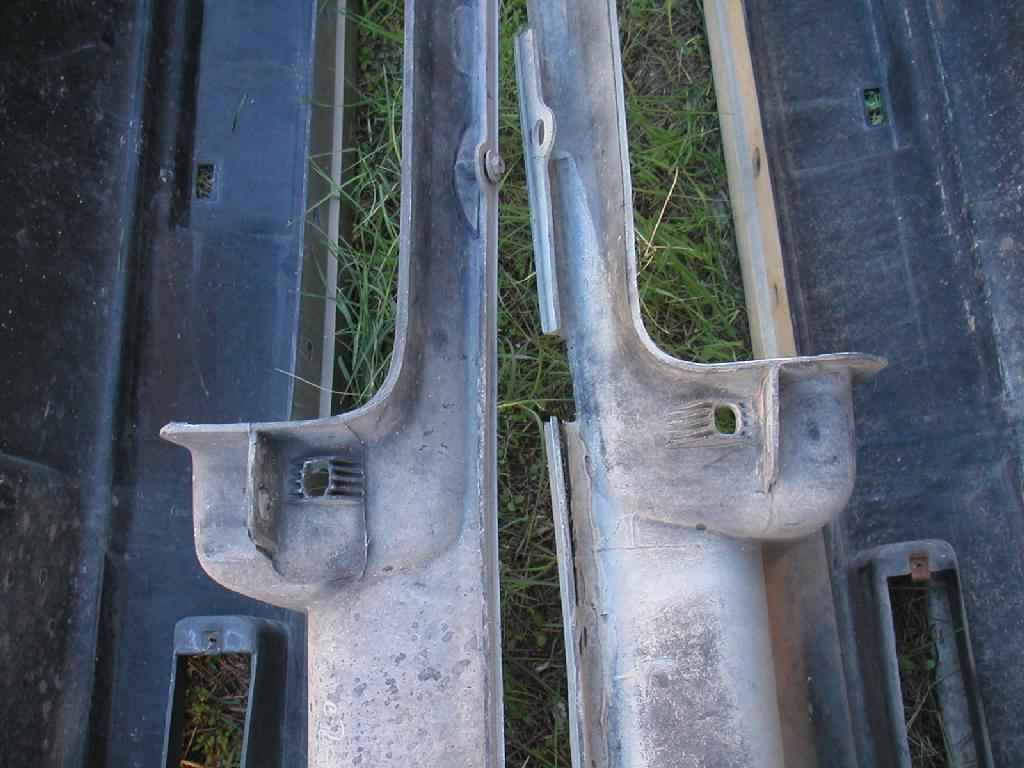
- All 1984-1986 turbo front bumpers are virtually the same. The only difference is a hole on the passenger side of automatic turbo cars for the transmission oil cooler.
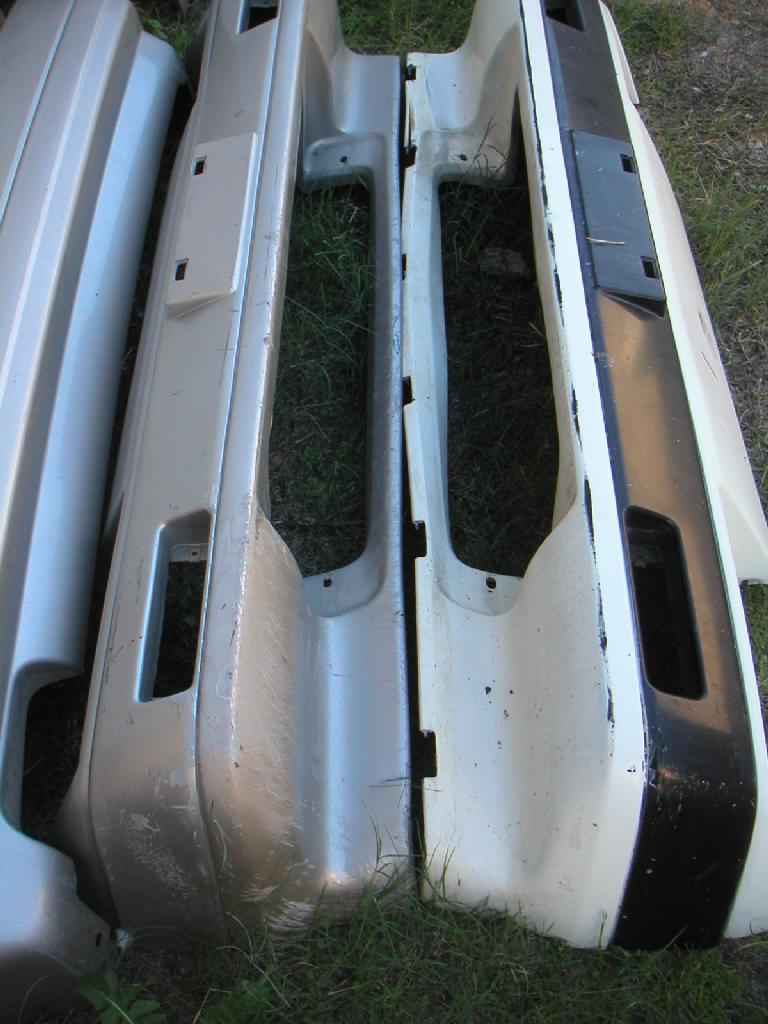
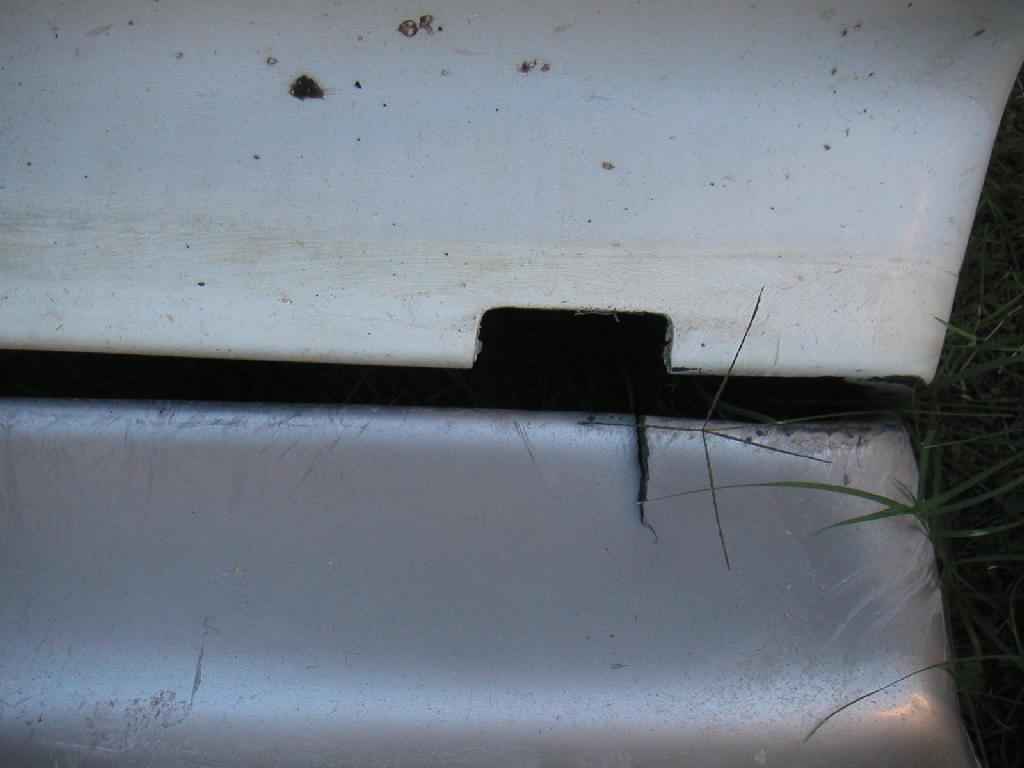
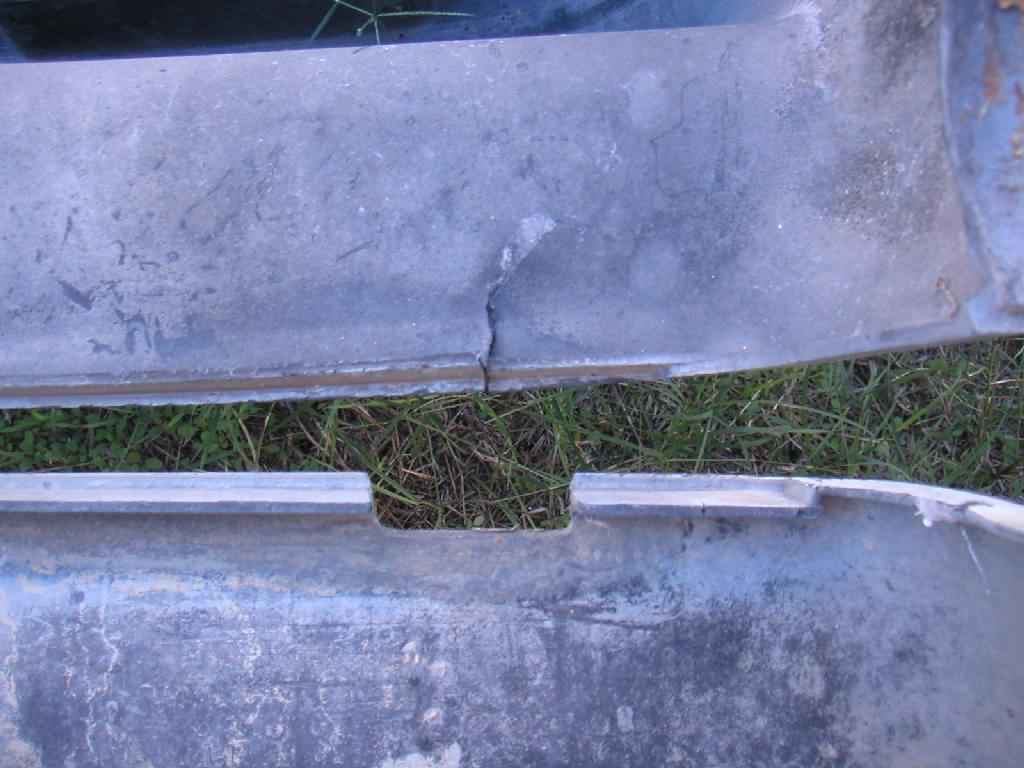
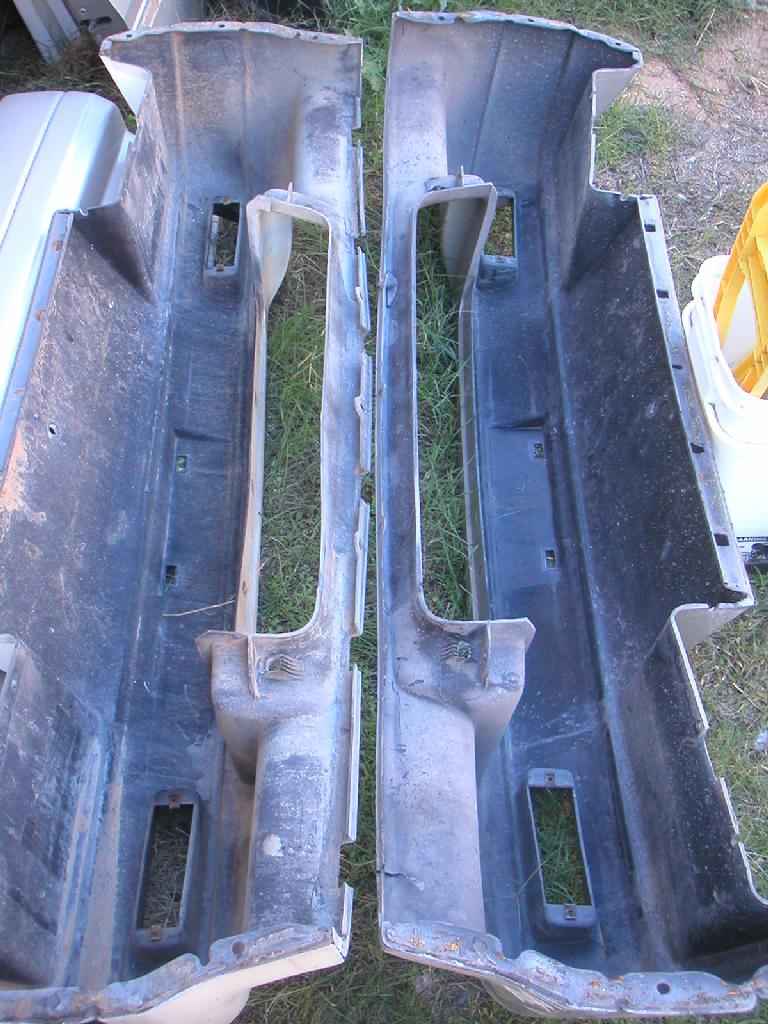
The 1984-1986 non-turbo and turbo bumpers bolt up interchangeably. The catch is the front spoiler: turbo bumpers have notches cut for it and non-turbo bumpers don't. In these photos the silver bumper is from a 1986 non-turbo and the white one is from a 1985 turbo.
Rear
All rear bumpers interchange with little to no modification. All 1984-1986 rear bumpers are the same, and all 1987-1989 rear bumpers are the same. To swap between the two styles you need the whole bumper (the metal reinforcement), not just the cover. See the rear end conversion.
Fenders
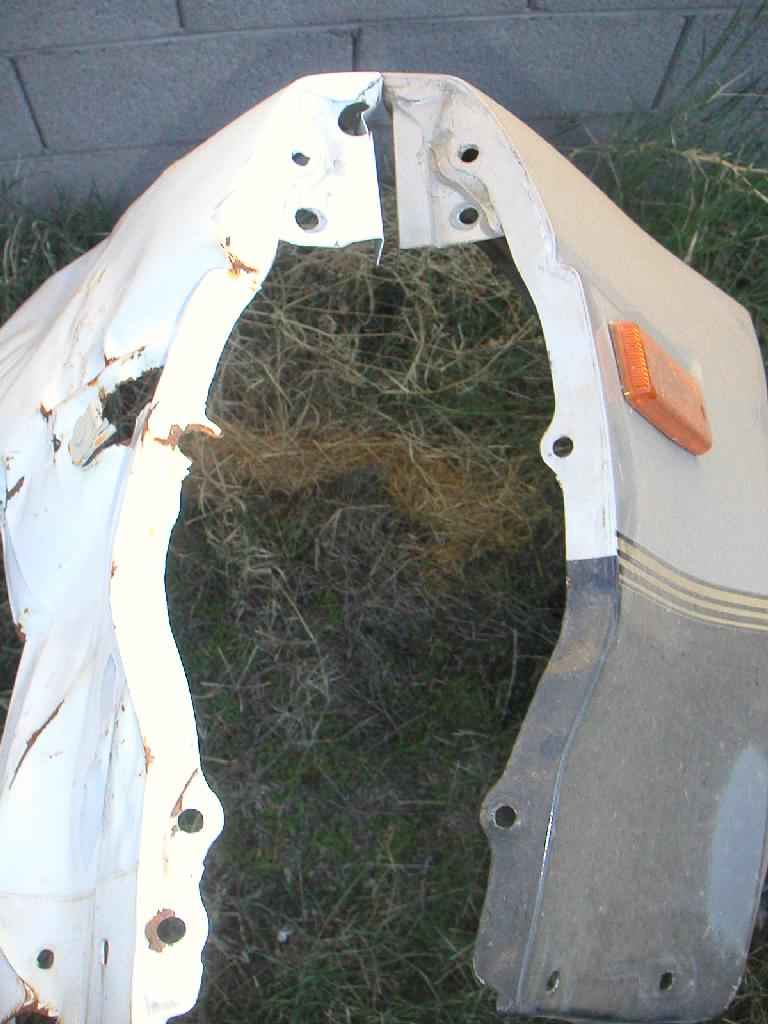
All Z31 fenders interchange with little to no modification. The differences are the shape and the extra holes.
- All 50th AE and 1986-1989 fenders have exactly the same flared shape (except the 1986 Canadian SF).
- All 1984 (non-AE) and 1985 fenders share the earlier shape, as does the 1986 Canadian SF.
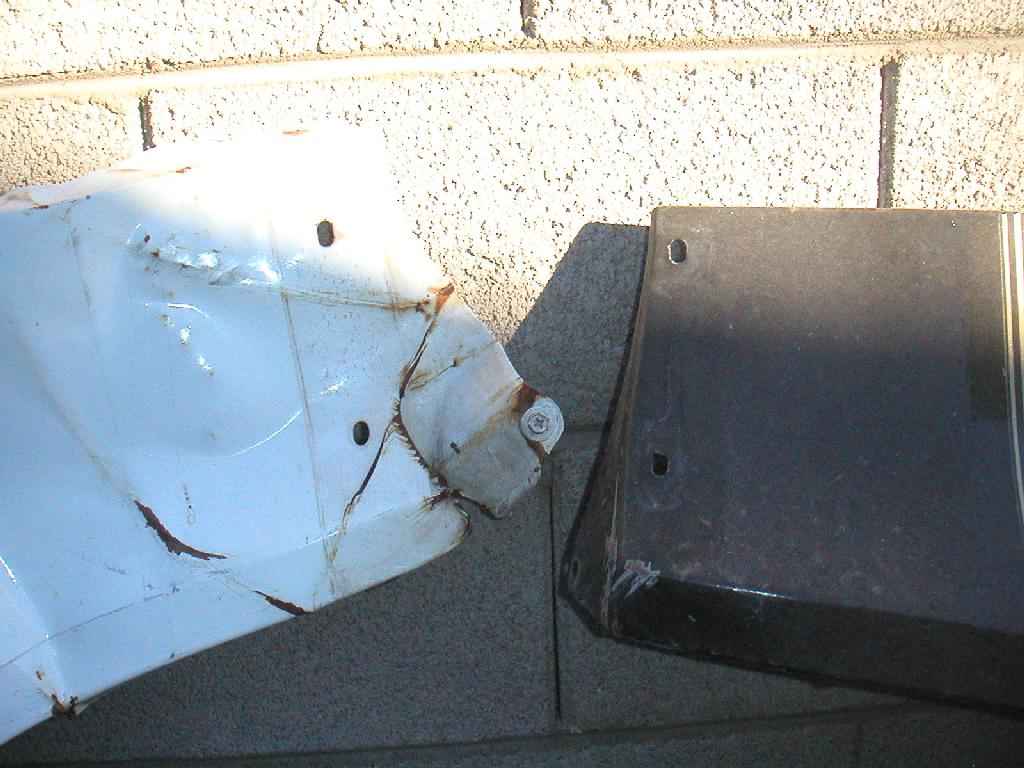
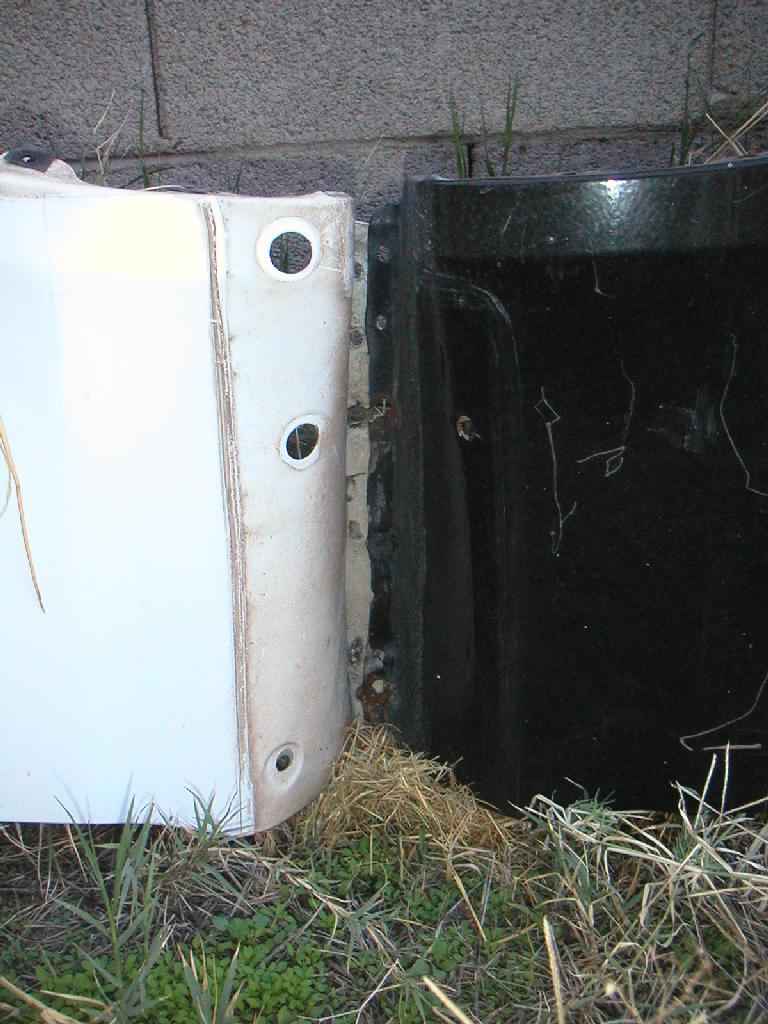
- All 1984-1986 turbos have holes in the lower front of the fender for the front spoiler. The 1987-1989s have them too, but in slightly different places. 1984-1986 non-turbos have none.
- The AE and 1986 fenders have holes in the lower rear for the side skirts. The 1987-1989s have more of them, in different places. Non-AE 1984-1985s have none.
- The 1987-1989 fenders have an extra hole at the front where they meet the bumper.
If you'd rather not drill or fill holes, these are the fenders to look for:
- 1984-1985 non-turbo
- 1984-1985 turbo (non-AE)
- 1986 non-turbo
- 50th AE and 1986 turbo
- 1987-1989 (all models)
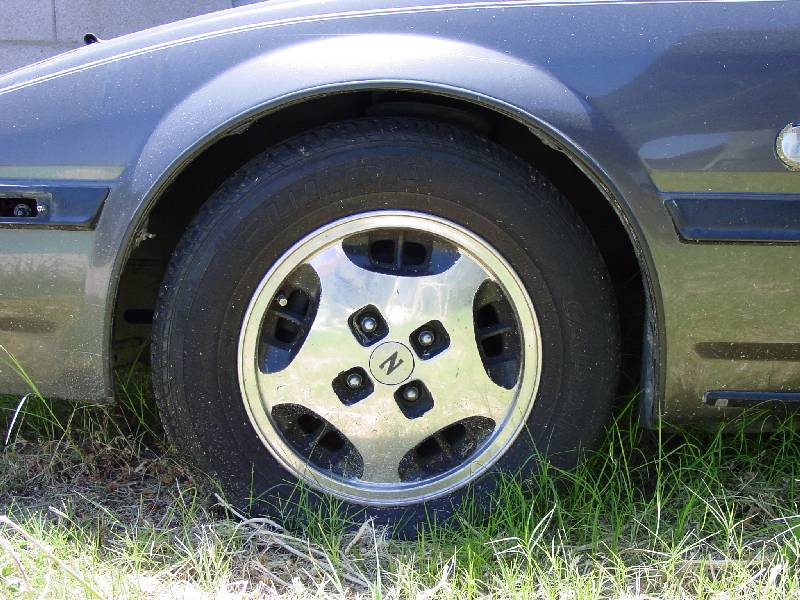
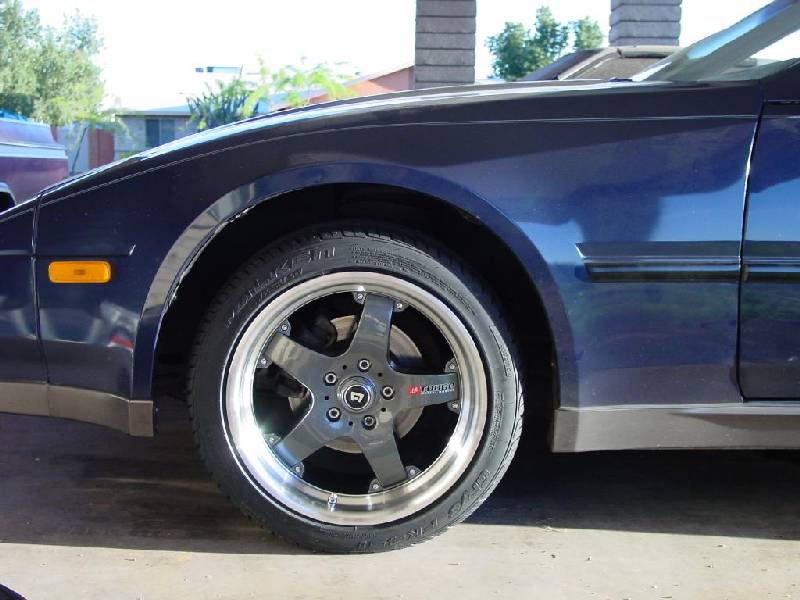
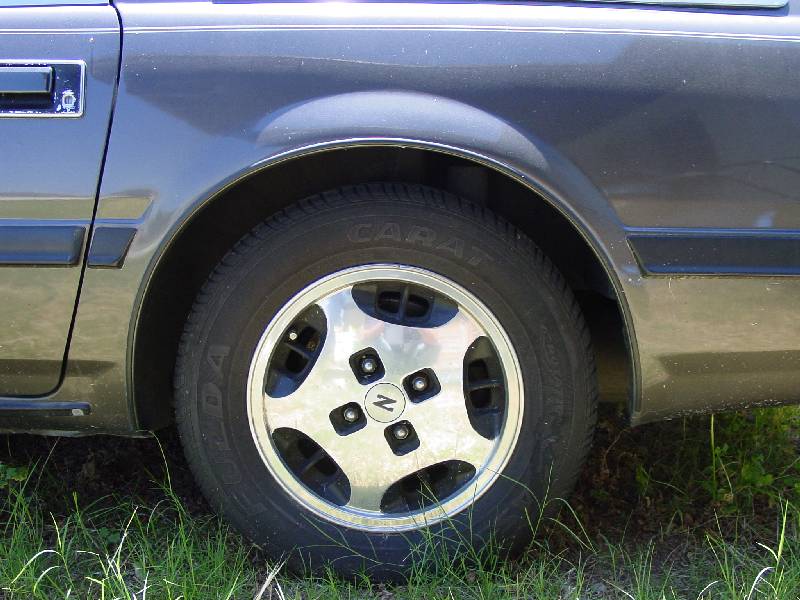
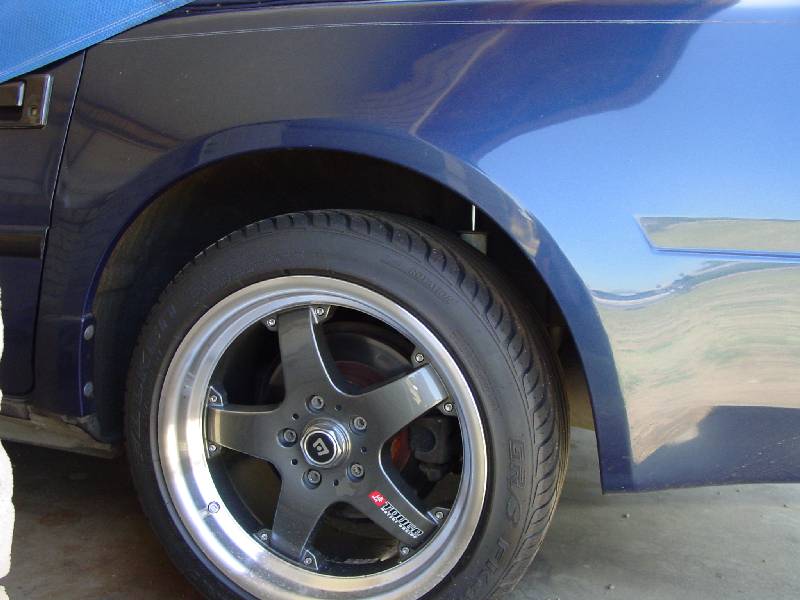
The 50th AE / 1986 turbo fender compared to the 1987-1989 fender:
Side Skirts
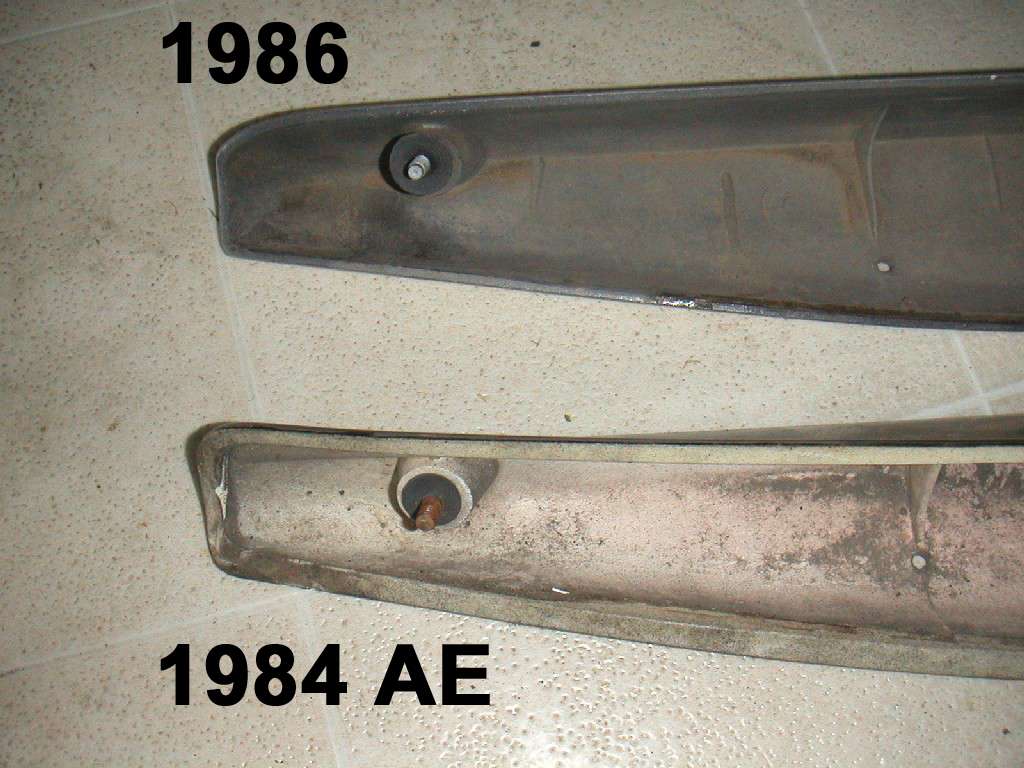
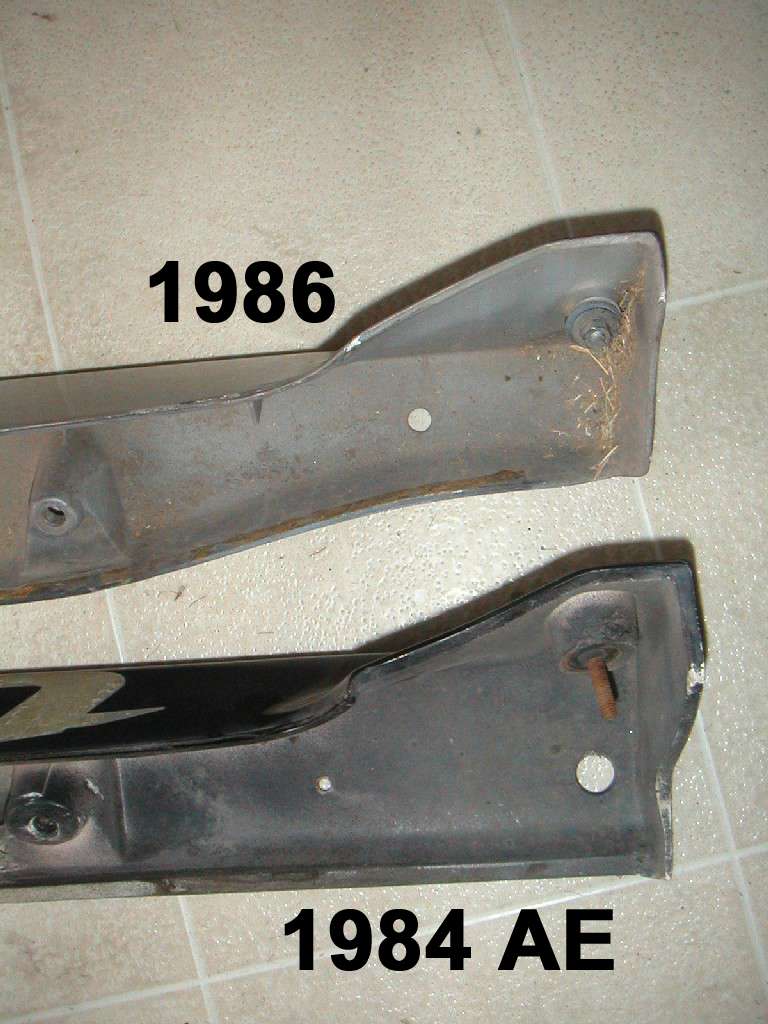
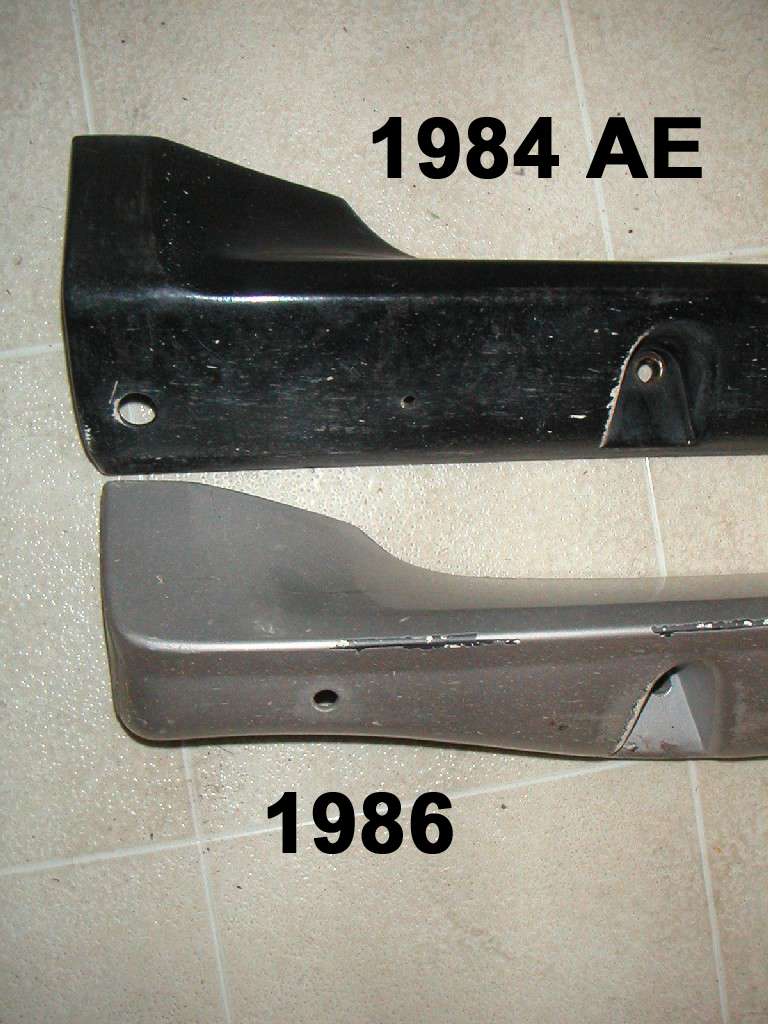
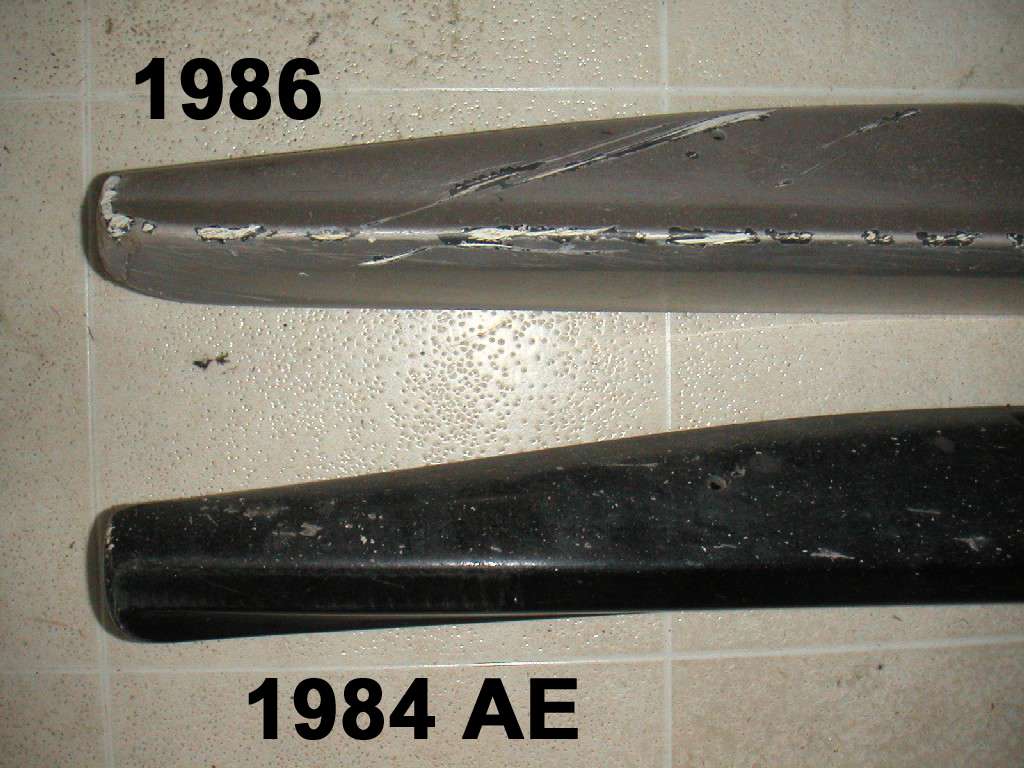
There are five different side skirts:
- 1984 50th Anniversary Edition
- 1986 2-seater
- 1986 2+2
- 1987-1989 2-seater
- 1987-1989 2+2
The only difference between the 2-seater and 2+2 skirts of the same year is the length.
Hatches
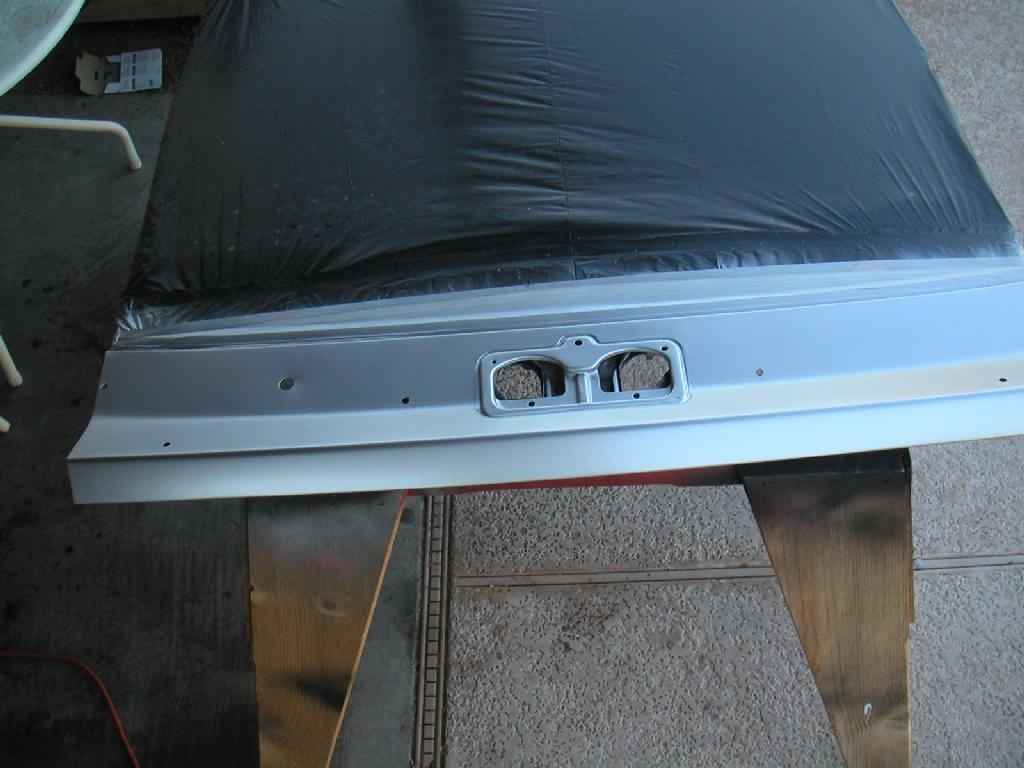
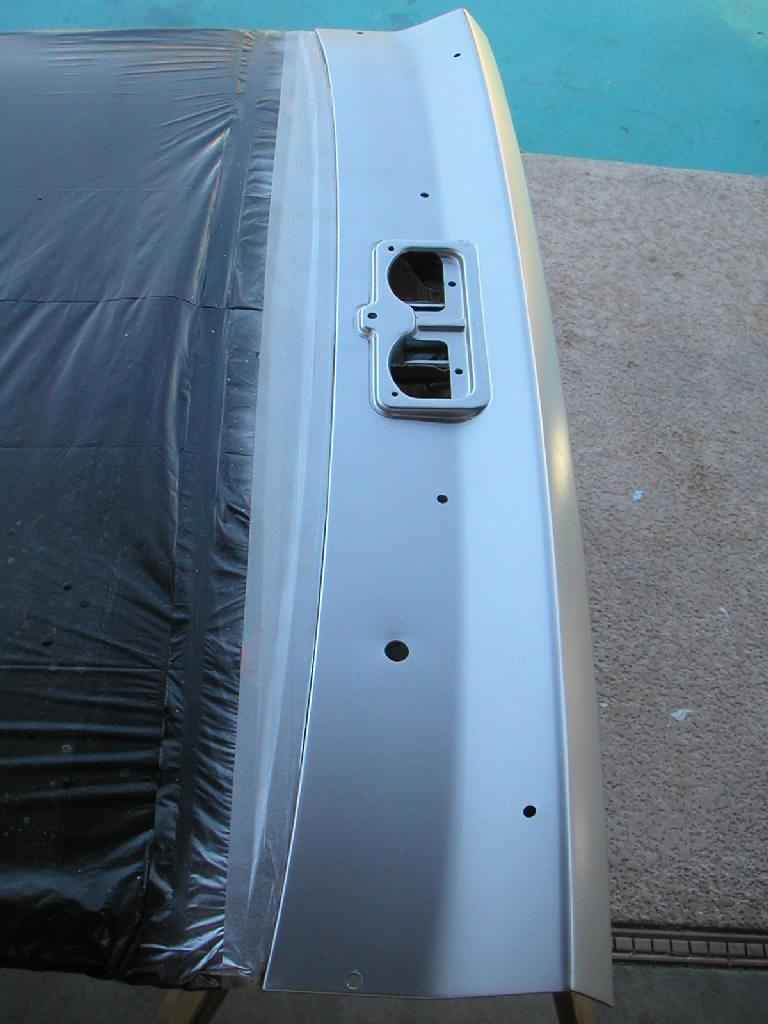
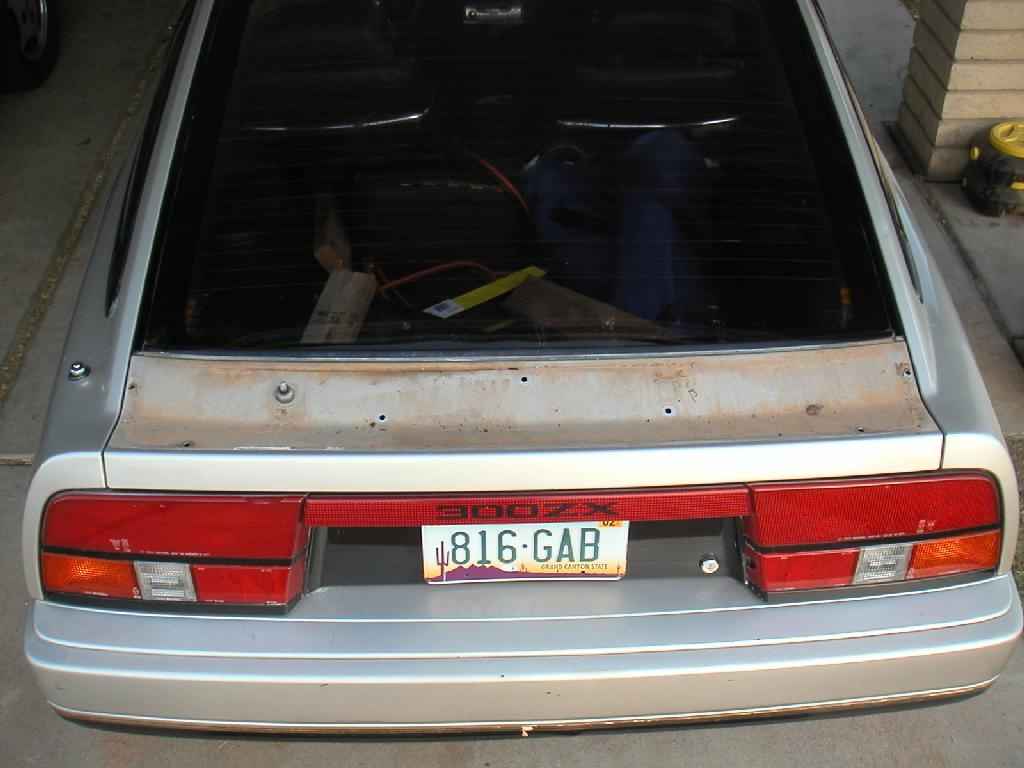
- All 2-seater hatches interchange with each other, and all 2+2 hatches interchange with each other, but a 2-seater hatch won't fit a 2+2 or the other way around.
- 1984 and 1985: no third brake light.
- 1986: third brake light built into the spoiler.
- 1987-1989: third brake light built into the top trim piece with the washer sprayer.
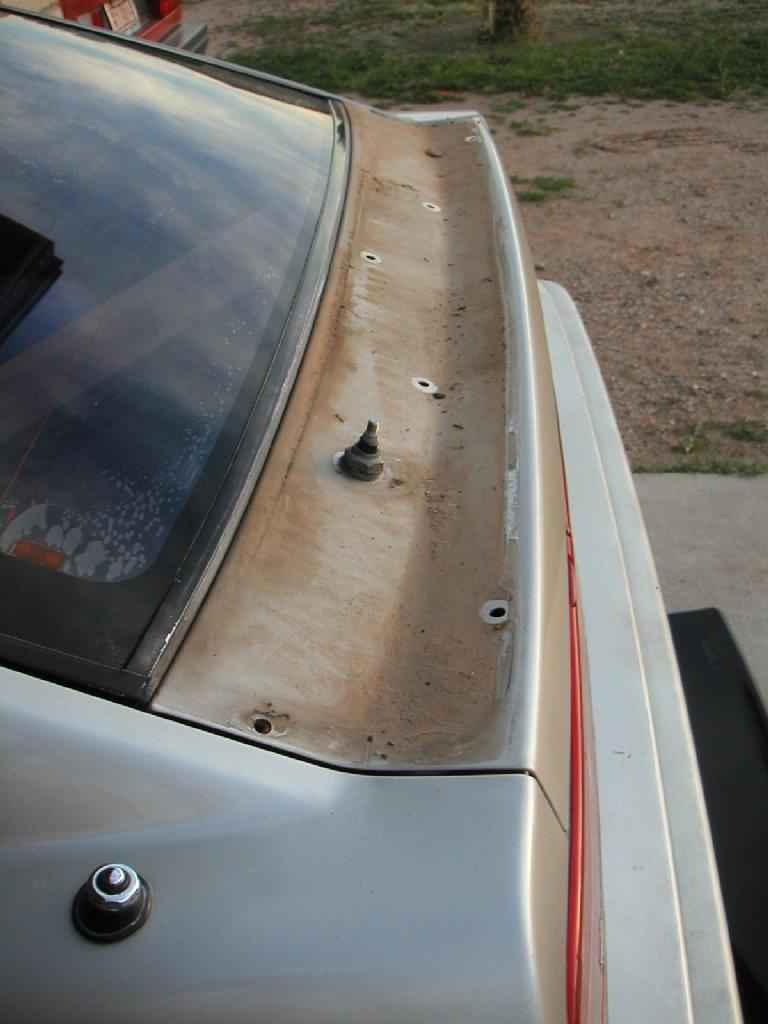
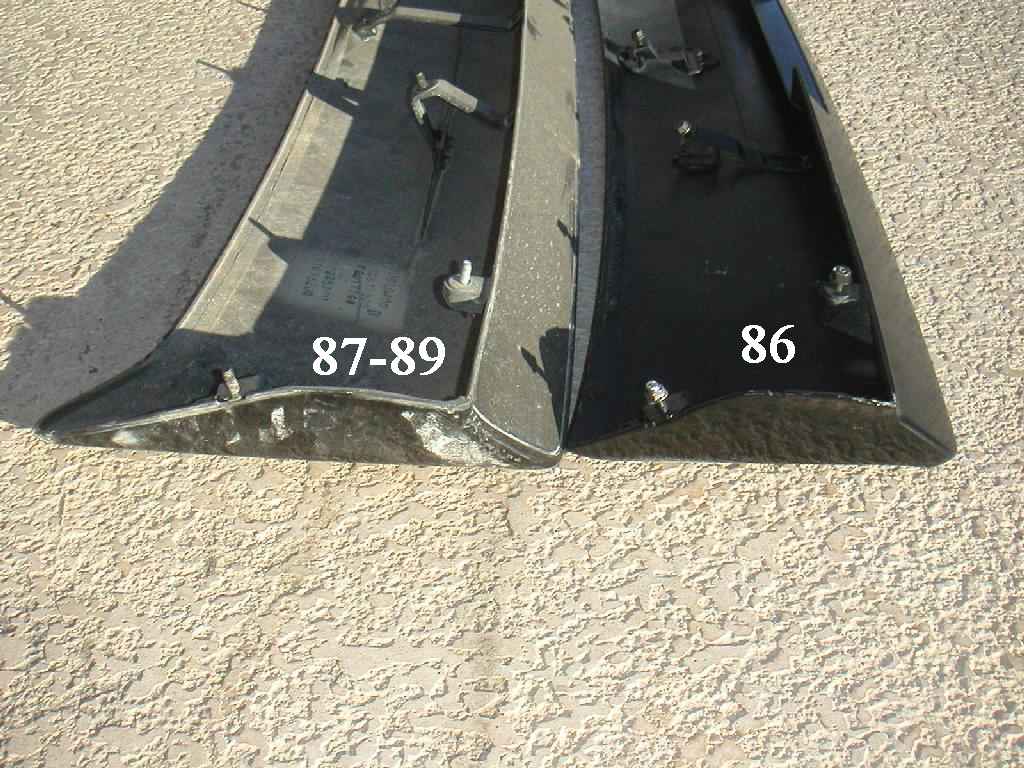
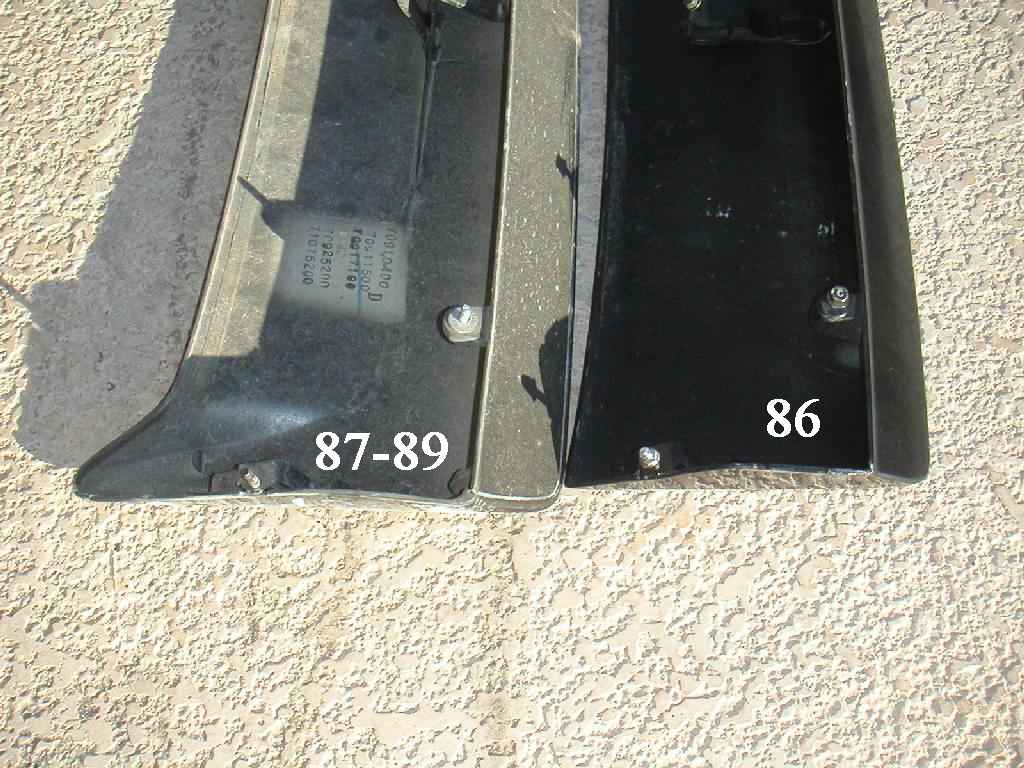
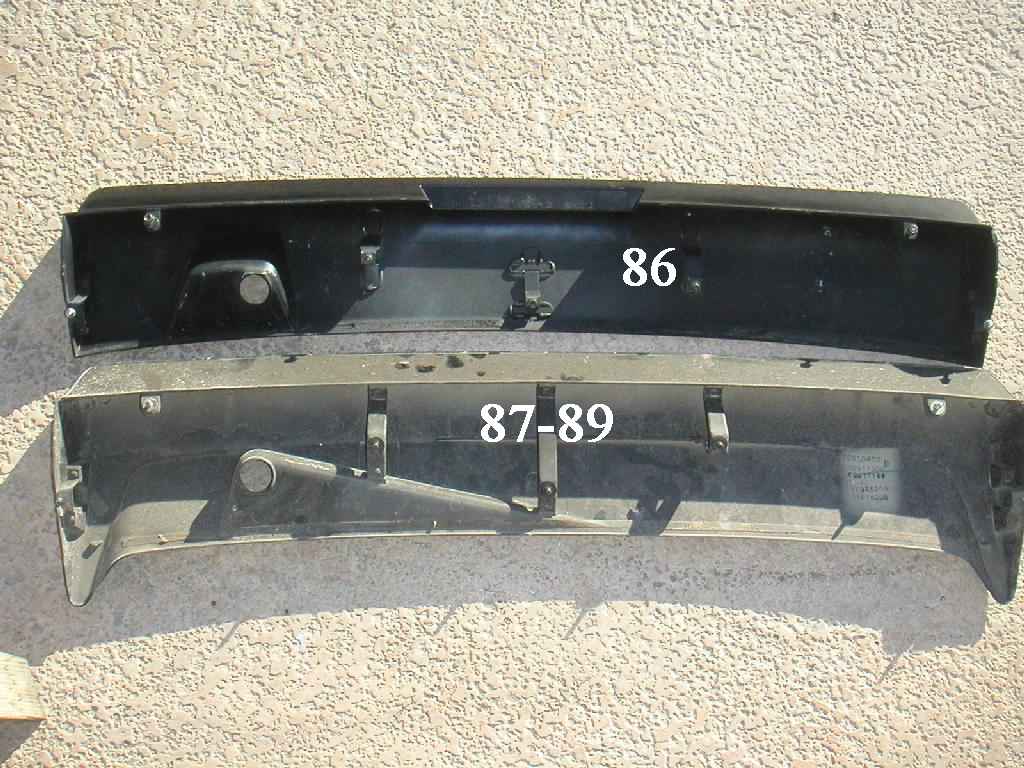
The 1986 hatch is the odd one out. Nissan wanted the third brake light bulbs to be changeable without removing the spoiler, so the 1986 hatch has an access hole for them. Because of that light and hole, the 1986 spoiler is a different shape, and the 1986 hatch uses its own rear wiper arm.
Rear Spoilers
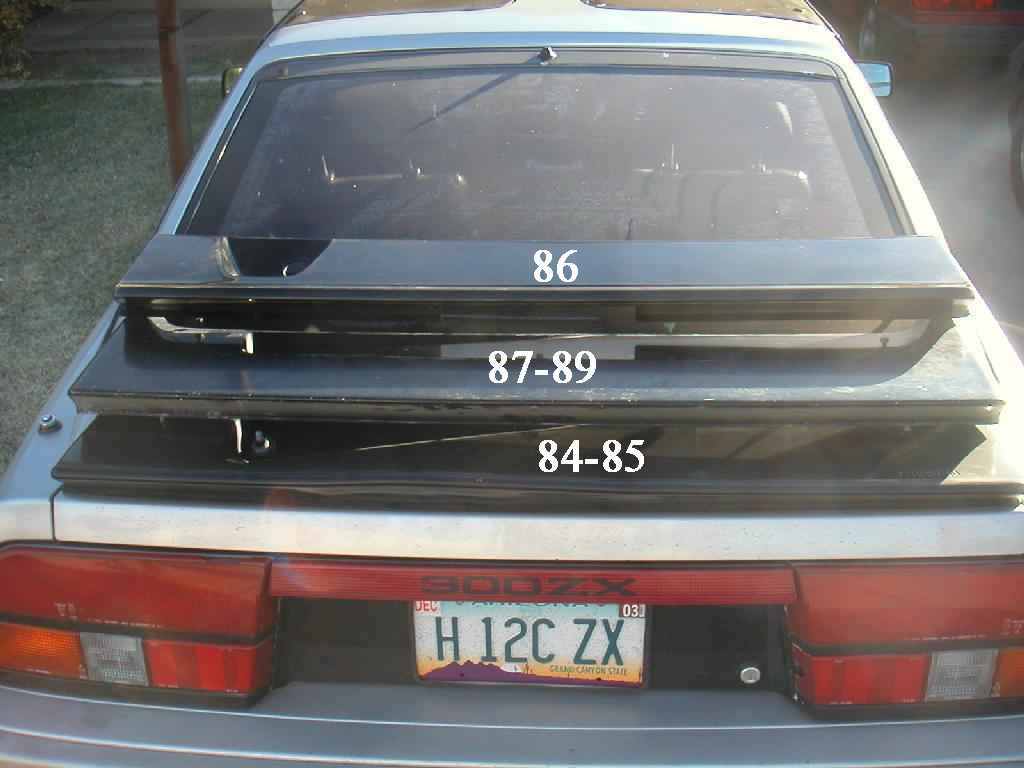
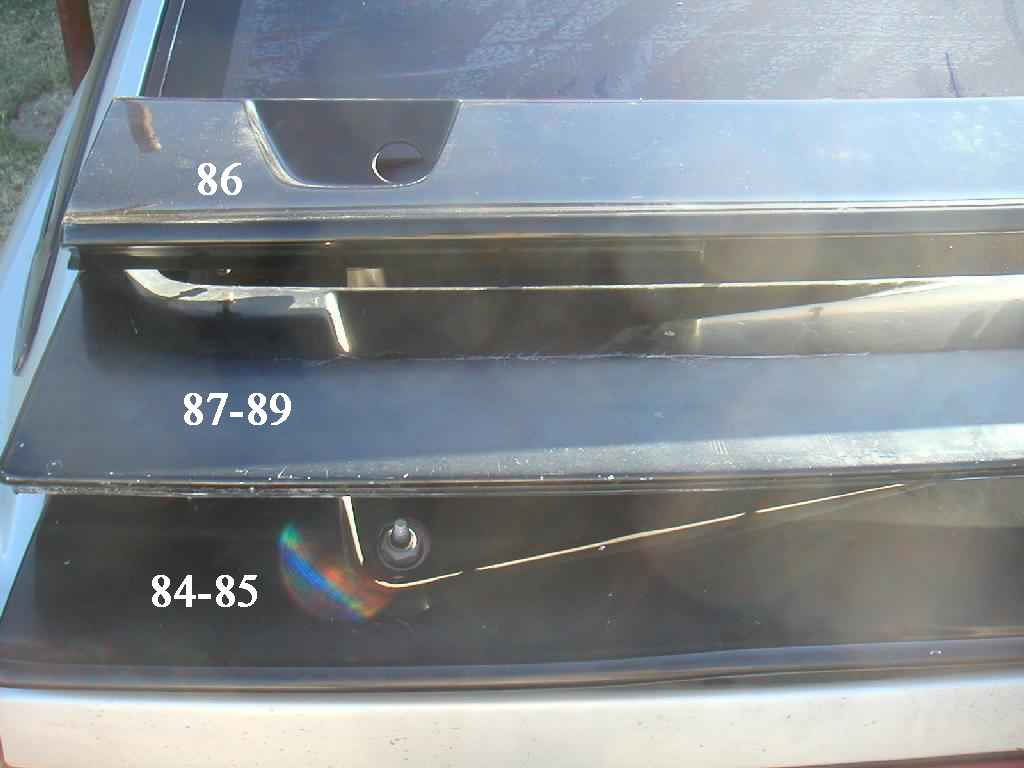
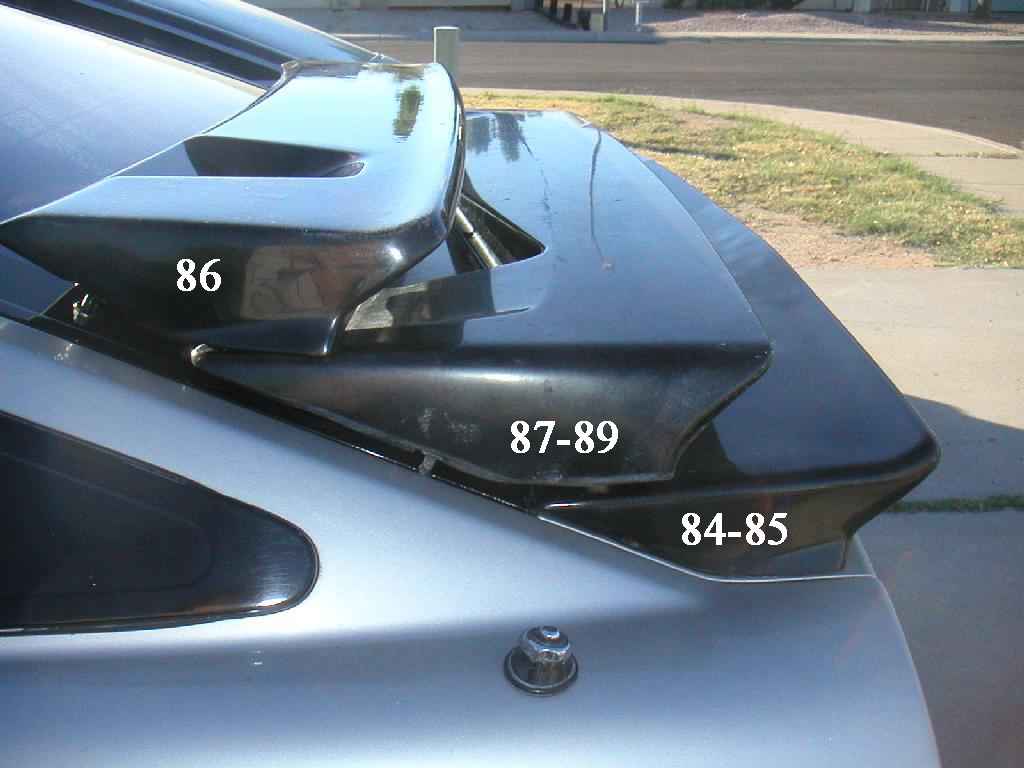
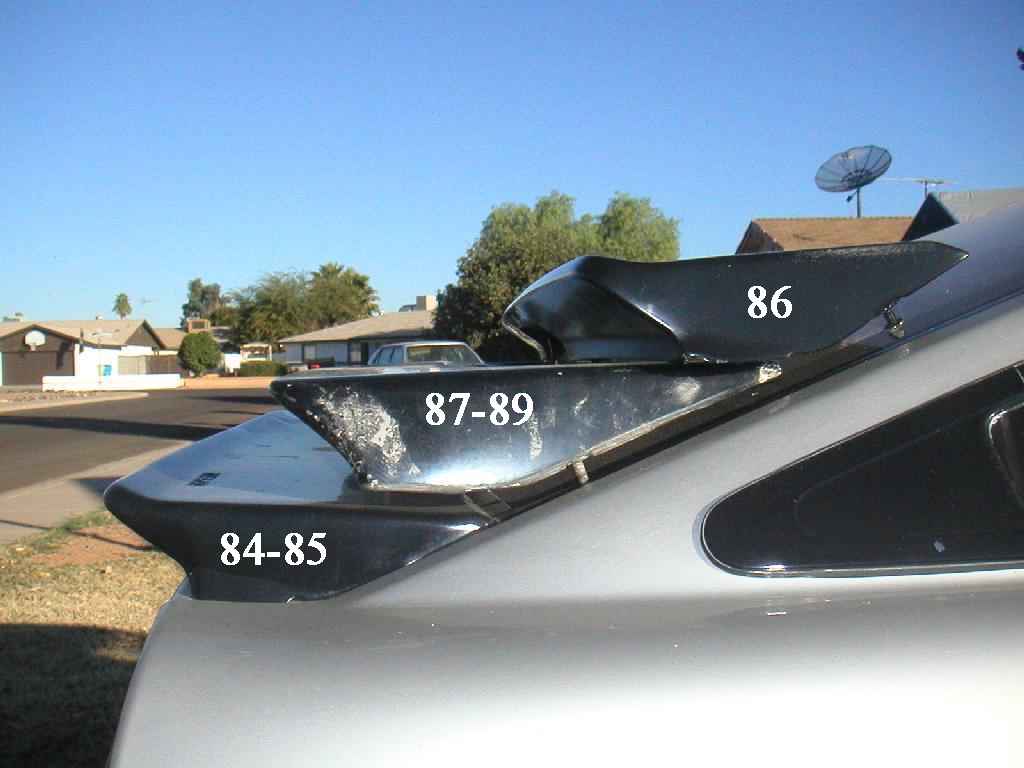
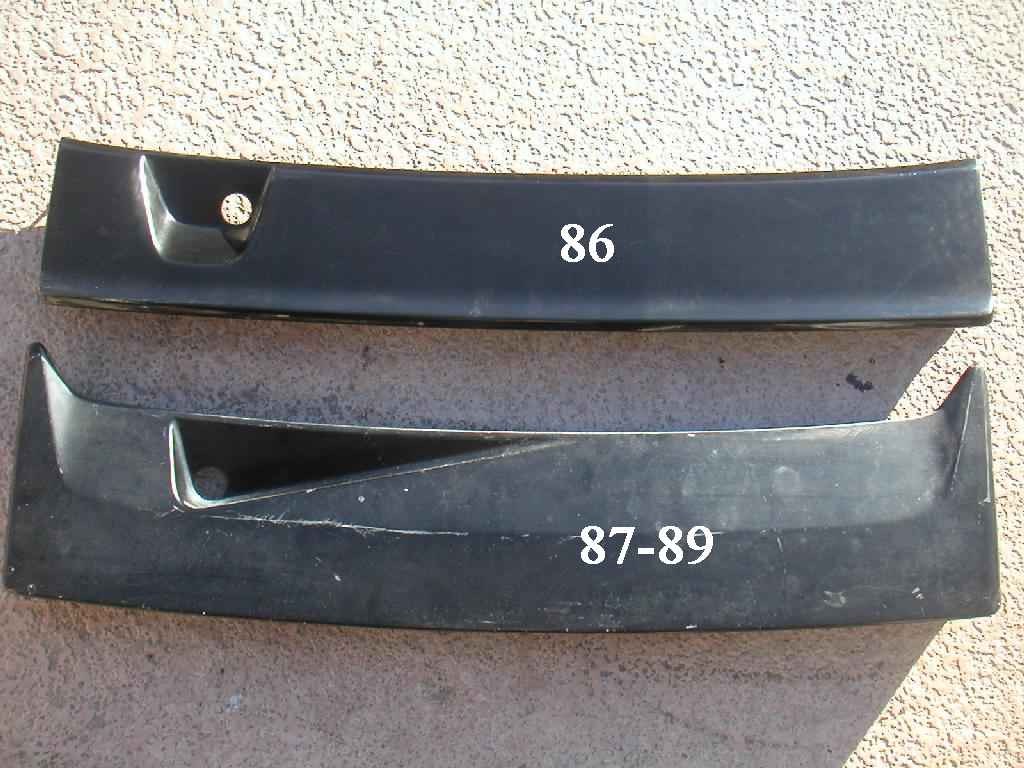
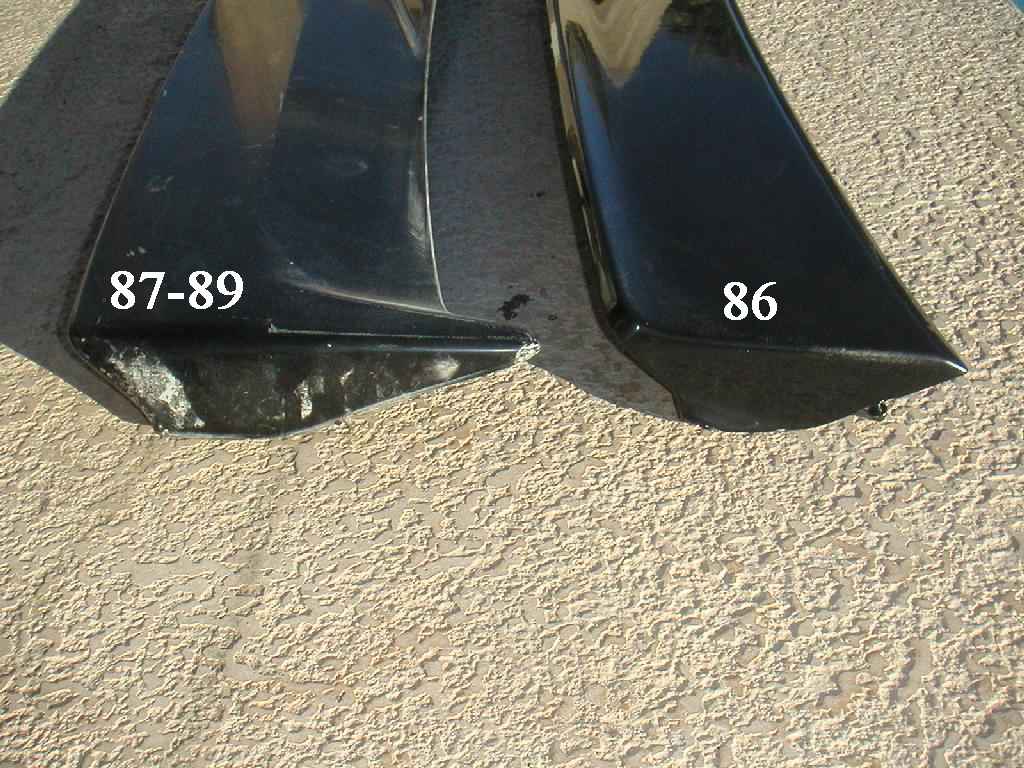
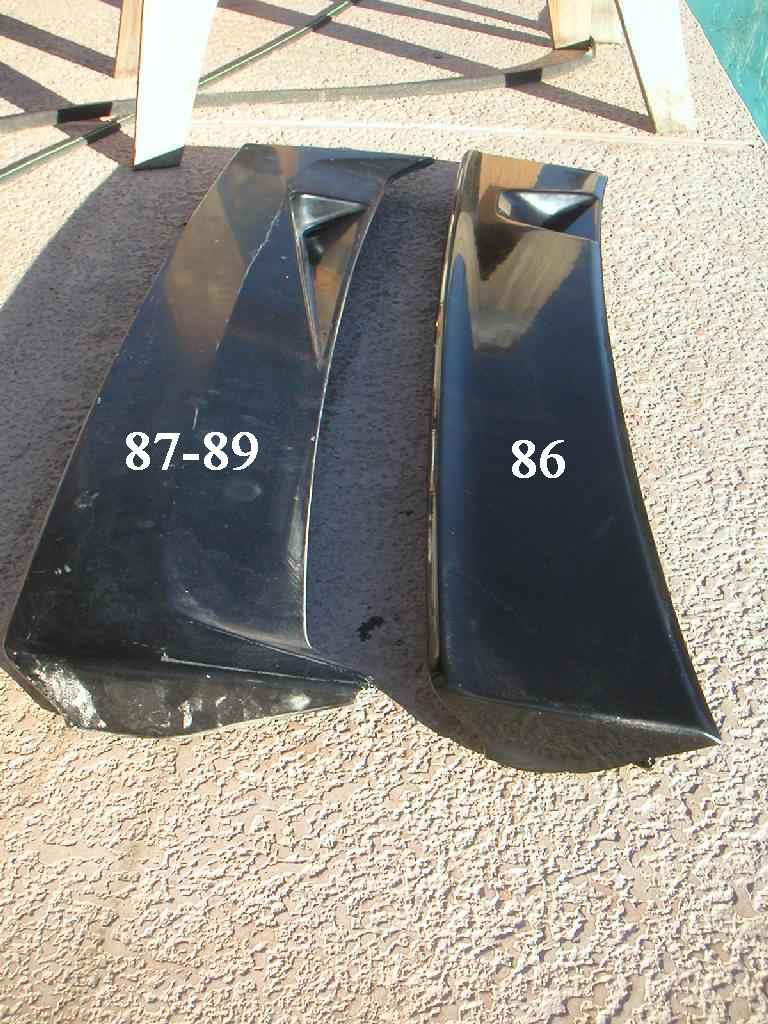
Three different rear spoilers were used on the Z31:
- 1984-1985 (turbo): a metal subframe with a padded cover and smooth skin. These tend to warp once the metal inside starts rusting.
- 1986: plastic, the same basic shape but altered for the third brake light and wiper. This was the only year a non-turbo came with a rear spoiler, because it housed the third brake light.
- 1987-1989 (turbo): slightly taller, back to the horizontal rear wiper, and made of the same plastic as the 1986. These are two pieces, with a seam where the back joins the top.
Adding one to a car that didn't come with it? See Stock Spoiler Install.
Tail Lights
There are really only two tail light styles.
1984-1986: two rows, with the brake lights on top and the turn signal (outside), back-up light (middle) and reflector (inside) on the bottom. The two sides are split by the license plate area, with a panel above it joining them:
- Red and reading "300ZX" on all 1984s and the 1985-1986 non-turbos.
- Grey and reading "300ZX TURBO" on 1985-1986 turbos, which also got slightly smoked tail lights to match.
The Japanese 200Z models had their own panels too. See Tail Lamp Garnish for all of them.
1987-1989: one continuous piece across the whole car, broken only by the keyhole. From the outside in: turn signal, brake/running light, reflector, back-up light.



Want the center panel to light up? See the tail lamp bar illumination mod.
Tail Lamp Garnish (1983-1986)
On the Zenki cars, the center panel between the tail lights (the tail lamp garnish) came in four versions, depending on the year and model:
- 200Z, 200ZS and 200ZG: black with red "TURBO" text.
- Zenki 200ZR: red with black "200ZR" text.
- 300ZX non-turbo and 1984 turbo (including the 50th AE): red with black "300ZX" text.
- 1985-1986 300ZX Turbo: grey with lighter, almost gold "300ZX TURBO" text.
There was also a later OEM replacement for the 300ZX Turbo models that differs from the original: gold text on a smoked red background.
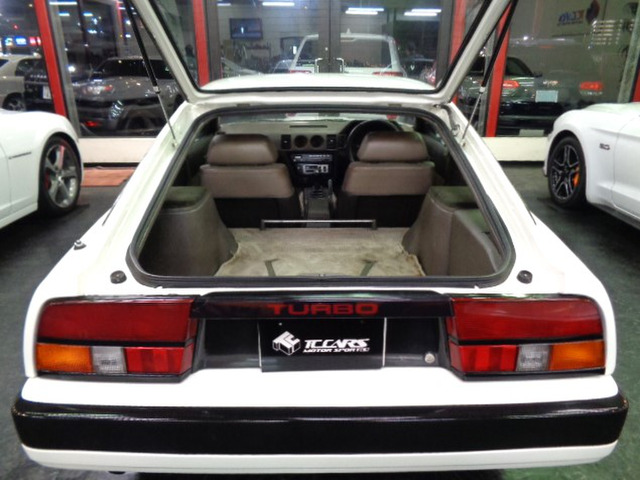
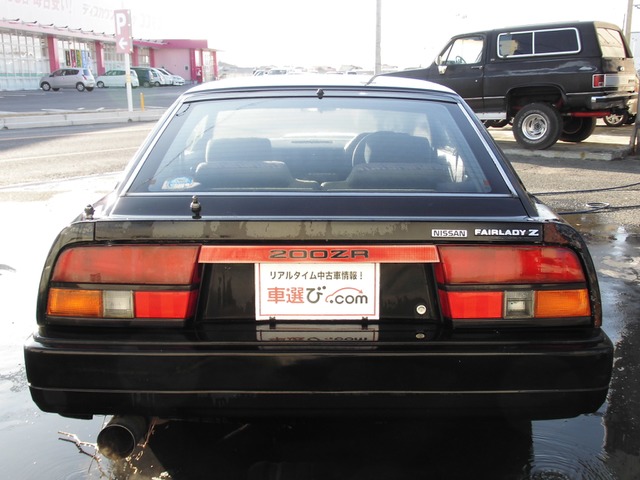
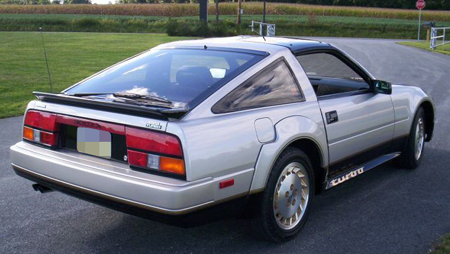
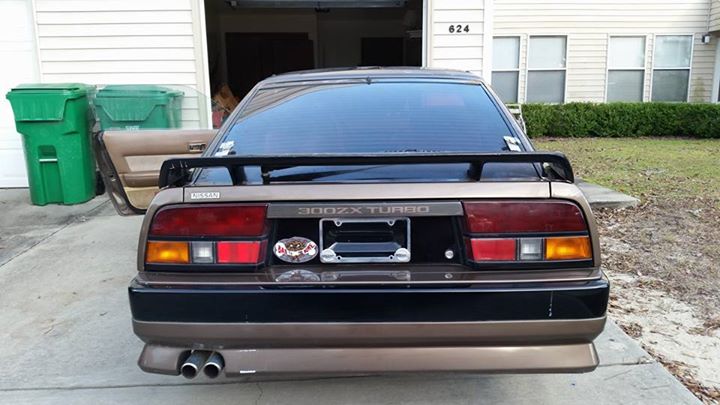
The 1987-1989 tail lights are one continuous piece with no separate garnish (see Tail Lights).
T-Tops
- 2-seater T-tops from any year fit any 2-seater, and 2+2 T-tops from any year fit any 2+2. They don't cross between the two.
- 1984: no lock in the T-tops.
- 1985-1986: a built-in lock using a slightly smaller key than the door/ignition key.
- 1987-1989: a built-in lock using the same key as the doors and ignition.
- The interior T-top trim color matches the car's other window trim.
Leaking? See T-top Seal Replacement.
Doors
- 2-seater doors from any year fit any 2-seater, and 2+2 doors fit any 2+2, but they don't cross between the two. Dimensions and mounting points are the same for the same number of seats.
- The interior handle/lock sits higher in the door on 1984-1985 models than on 1986-1989.
- Some late 1985 doors, and all 1986-1989 doors, have mounting holes for both handle positions.
- Any door handle and any door armrest fits any year and body style.
Broken inside handle? See Inside Door Handle Repair.
Steering Wheels
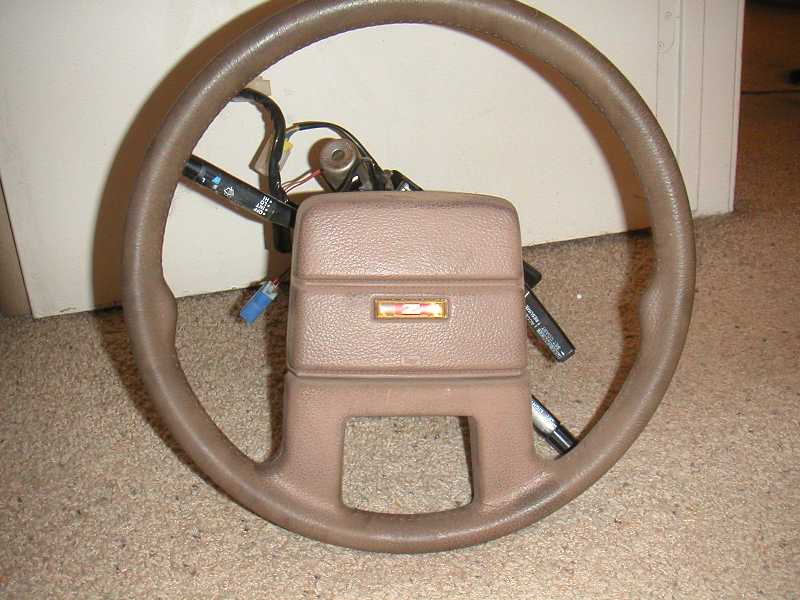
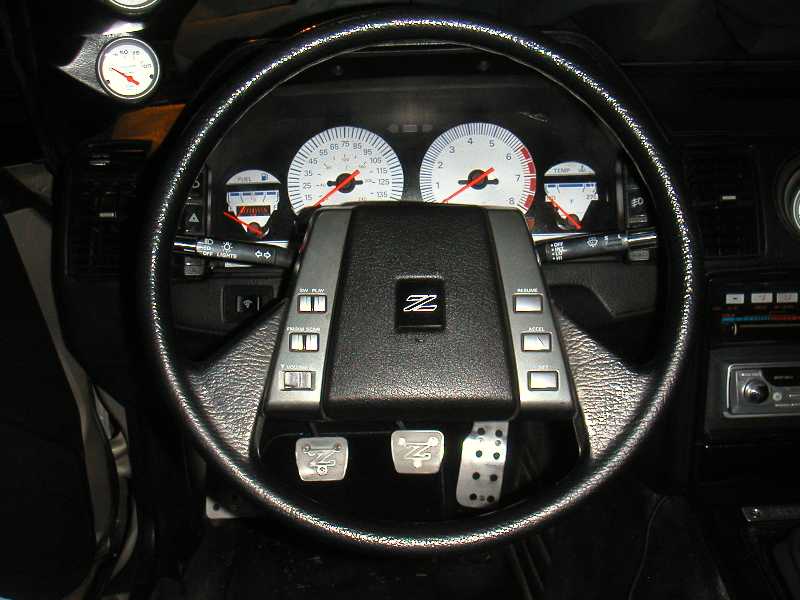
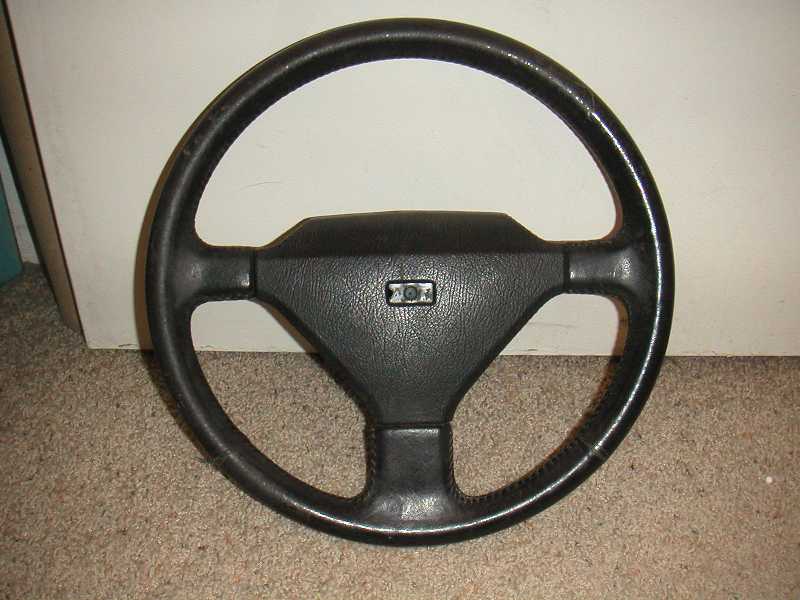
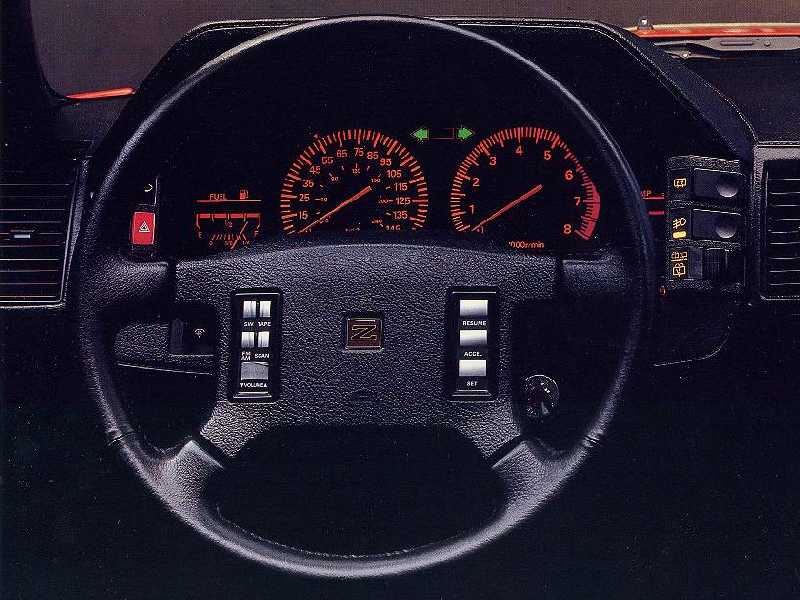
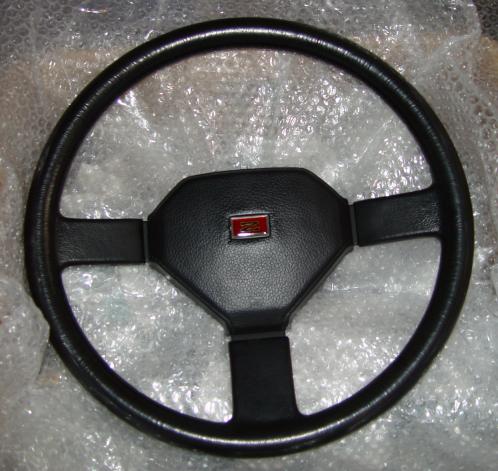
Only four steering wheels came on US cars:
- 1984 GL/GLL (except the AE) and 1985 GL: open-top wheel with no radio or cruise controls.
- 1984 50th AE and 1985 GLL: 2-spoke wheel with radio and cruise buttons.
- 1986-1989 GL (and the 1988 SS): 3-spoke wheel with an upside-down triangle horn pad.
- 1986-1989 GLL: 4-spoke wheel with the radio and cruise buttons built into the horn pad.
Every Z31 steering wheel is 15" and fits any Z31. The buttons won't work on a GL unless you add all the electronics that go with them, and putting a GL wheel on a GLL loses the steering wheel controls. See the GLL to GL steering wheel conversion.
Instrument Clusters
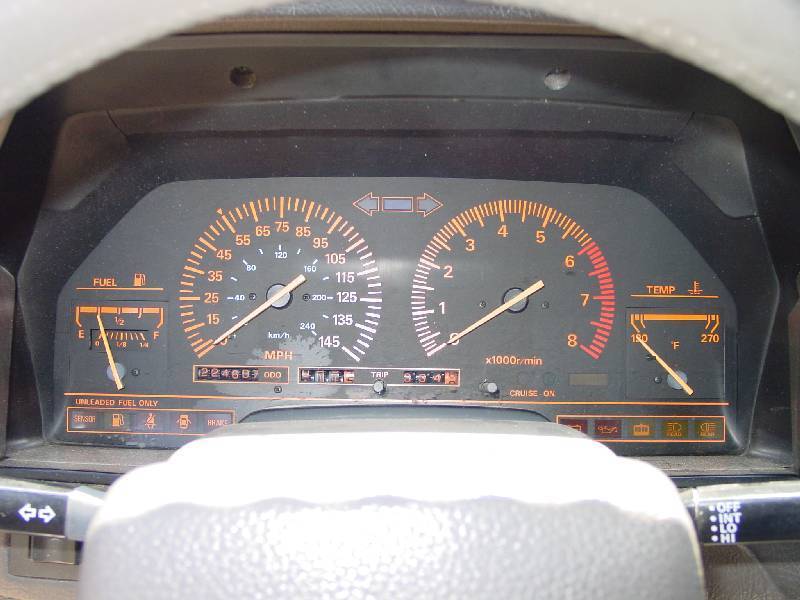
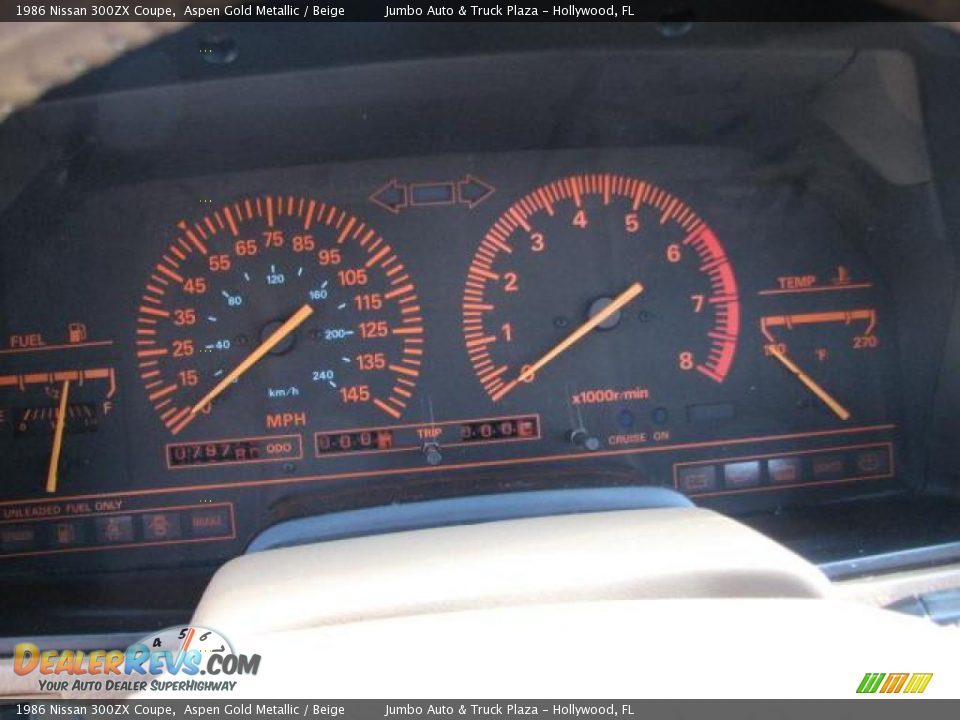
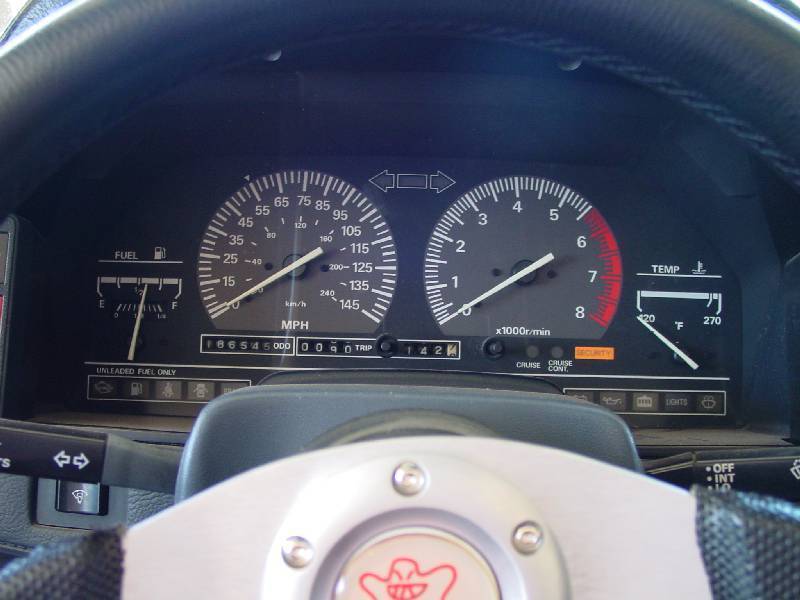
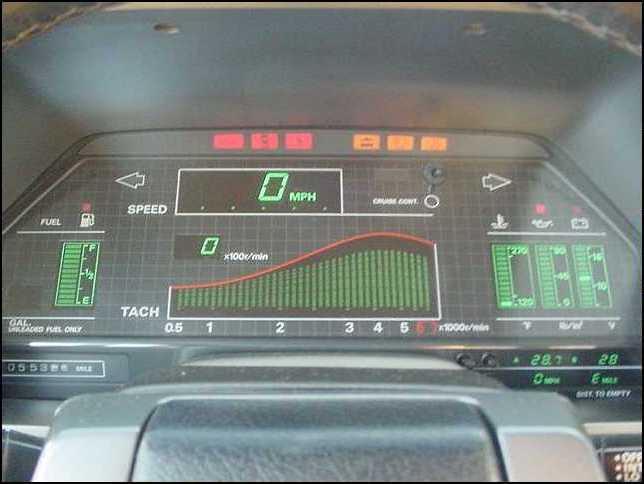
There are essentially five main instrument clusters: two analog and three digital. Turbo and non-turbo main clusters are the same.
- Analog 1984-1986: orange faces. Speedometer, tachometer, fuel and coolant temperature.
- Analog 1987-1989: white faces that look orange when lit.
- Digital 1984-1986: everything the analog has, plus oil pressure and a voltmeter. The 1984 digital tach has unevenly spaced RPM markings; 1985 and later are evenly spaced.
- Digital 1987-1989: drops the oil pressure and voltmeter and moves the trip odometers.
On the digital clusters, the height of the tach bars shows boost. The top row is full boost (0 psi on non-turbos, 6.7 psi on 1984-1987 turbos, 4.5 psi on 1988-1989 turbos) and the bottom row is full vacuum (-21 inHg). Anything in between is a guess.
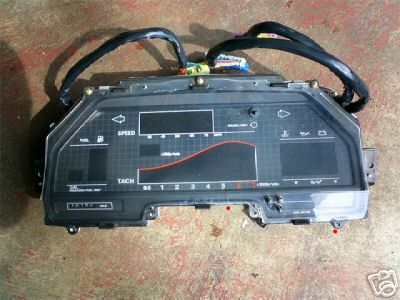
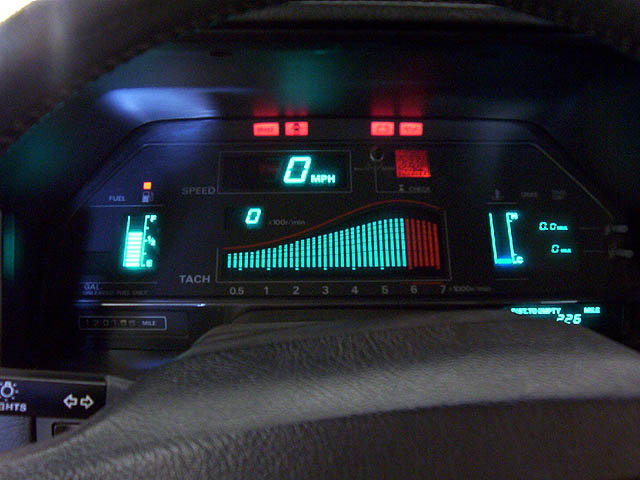
Related: Digital Dash Problems, Digital to Analog Conversion and the 1987-1989 Instrument Cluster Upgrade.
Center Pod Gauges
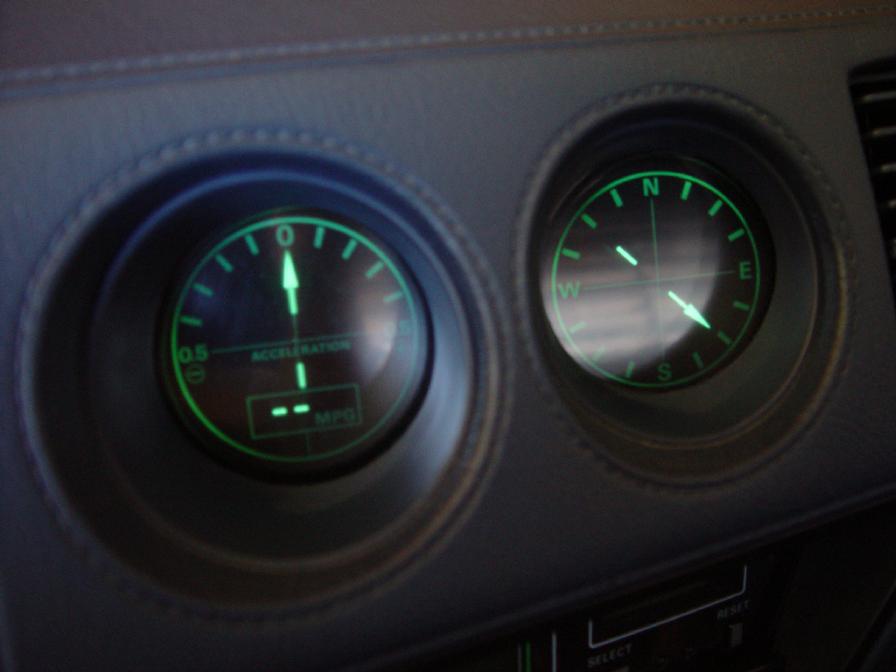
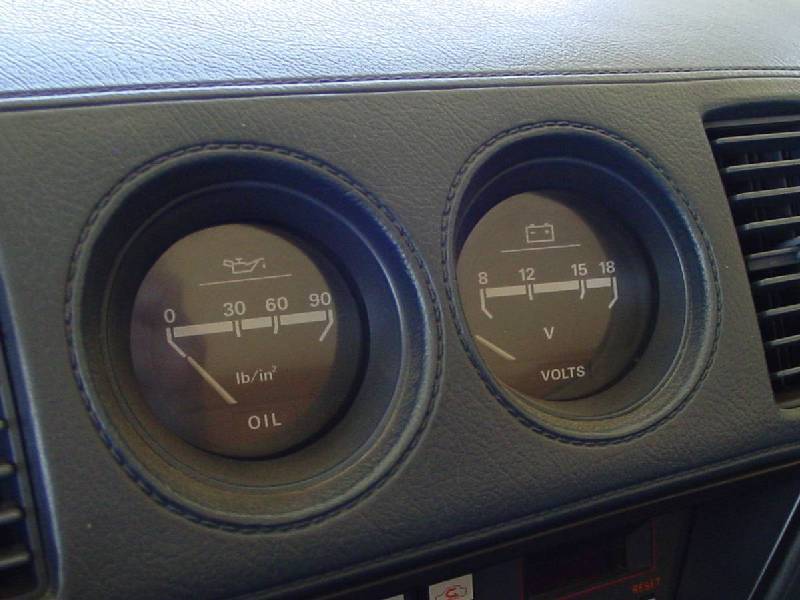
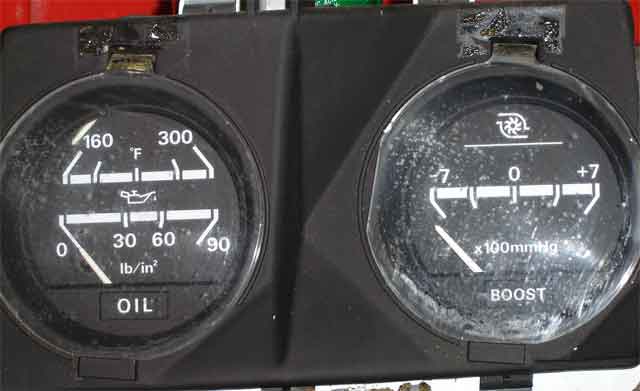
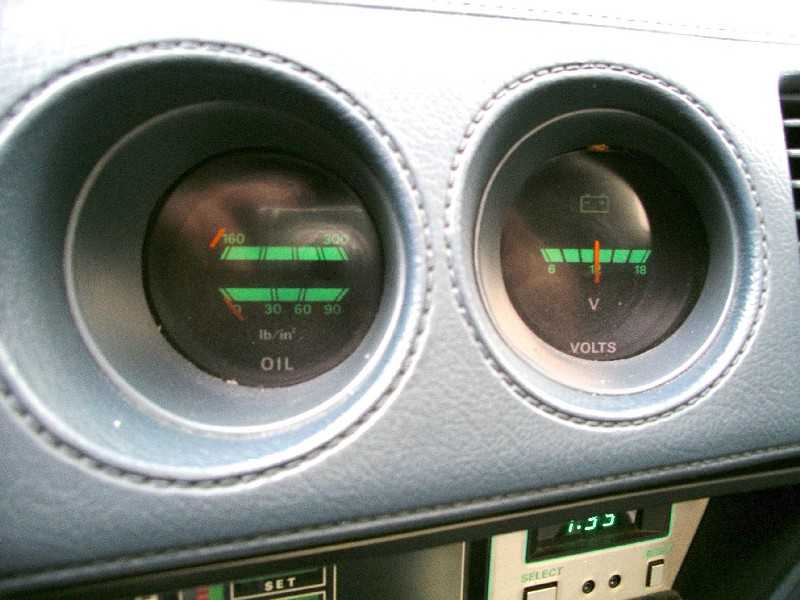
There are seven center pod styles, and unlike the main clusters, turbo and non-turbo pods are different.
- Analog 1984-1986: turbos have a boost gauge plus a dual oil pressure/oil temperature gauge. Non-turbos have oil pressure and a voltmeter.
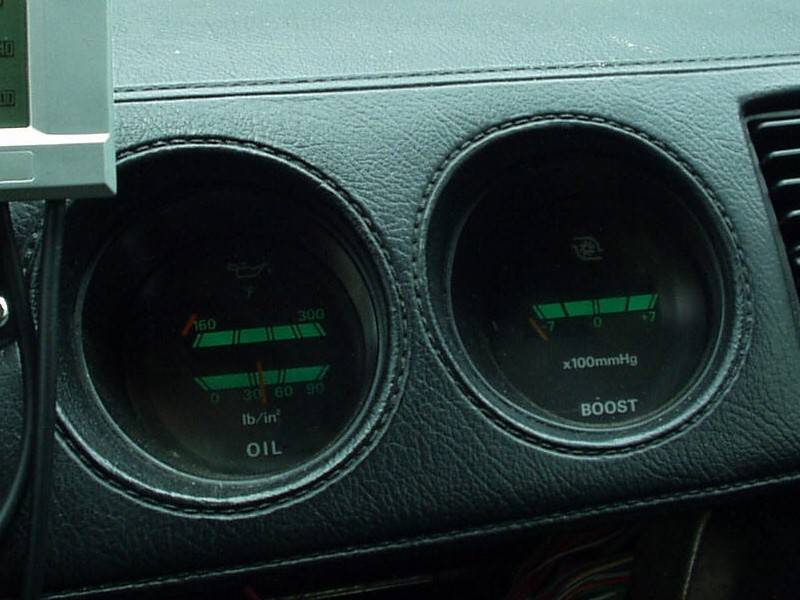
- Analog 1987-1989: both turbo and non-turbo have the combination oil pressure/oil temperature gauge. Turbos have a boost gauge in the other slot; non-turbos have a voltmeter.
- Digital 1984-1986: an acceleration gauge on the left and a compass on the right.
- Digital 1987-1989: not really digital. It's the same as the analog pod, but green with red needles.
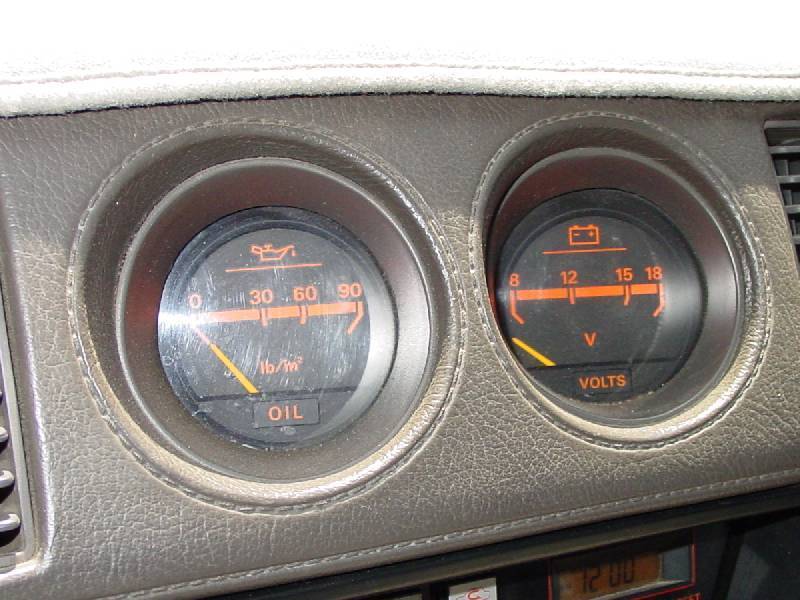
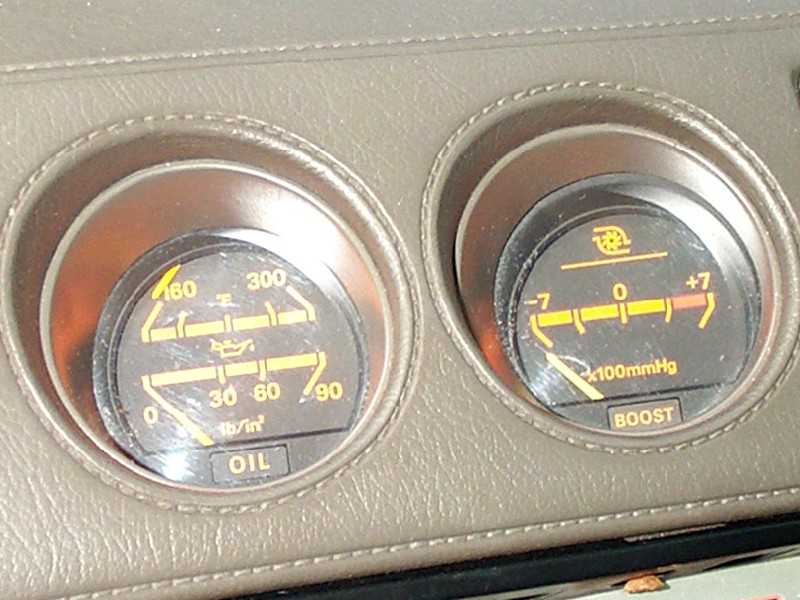
Need the compass working again? See Compass Repairs.
Nose Emblems
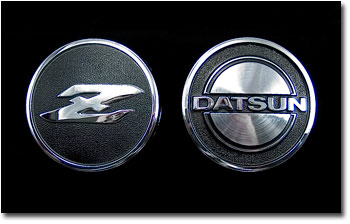
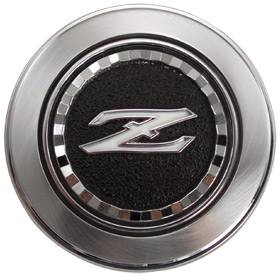
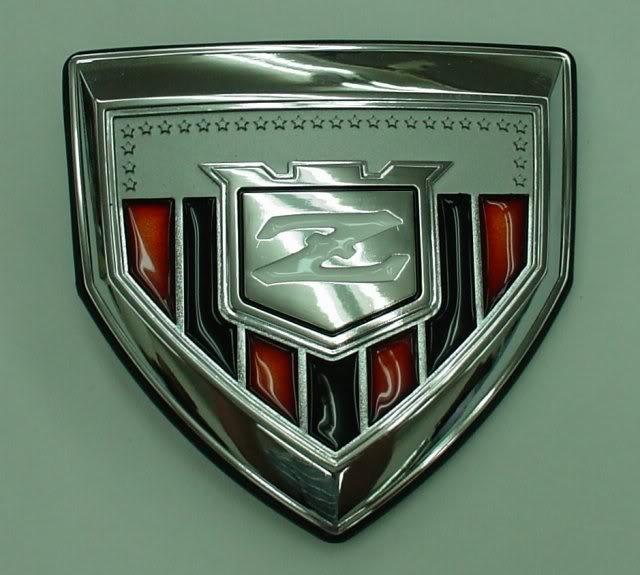
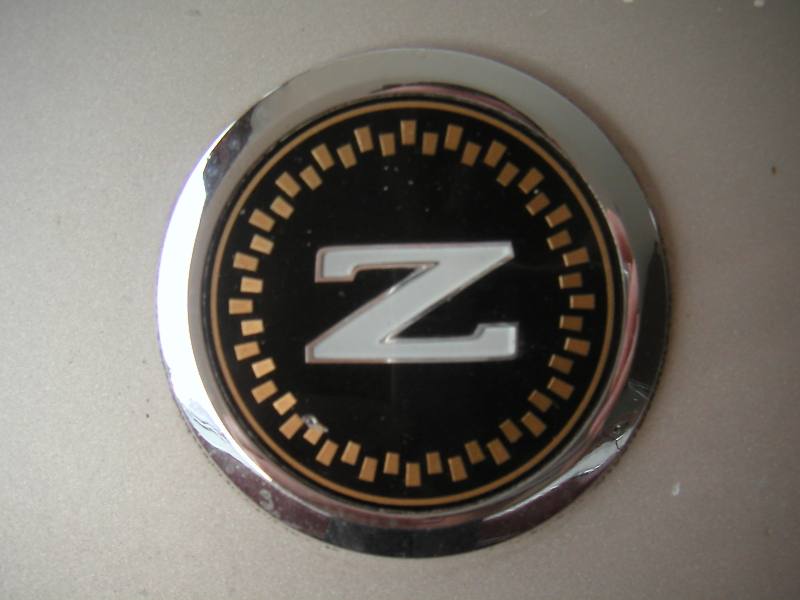
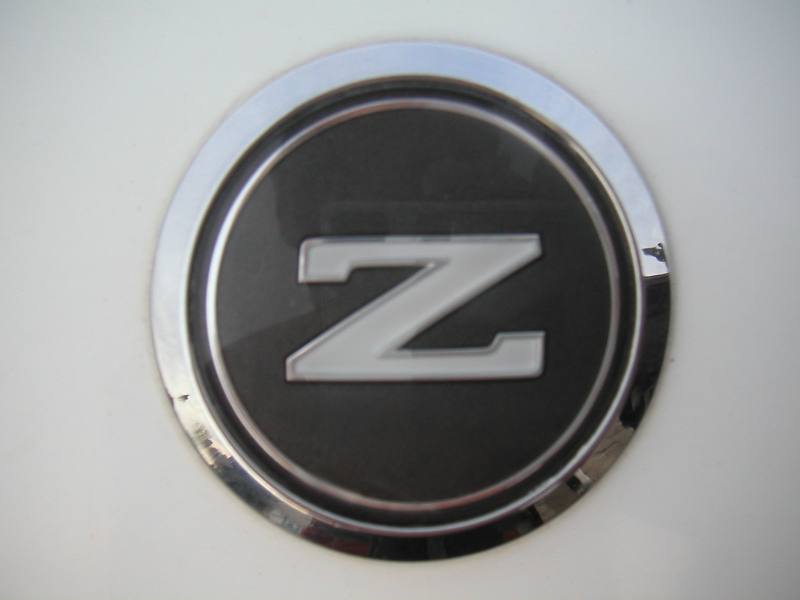
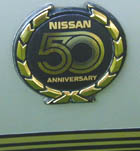
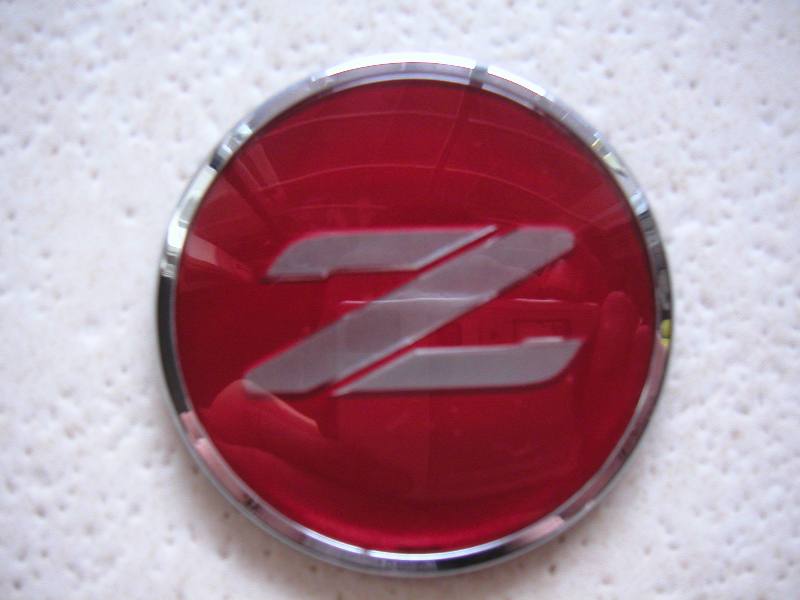
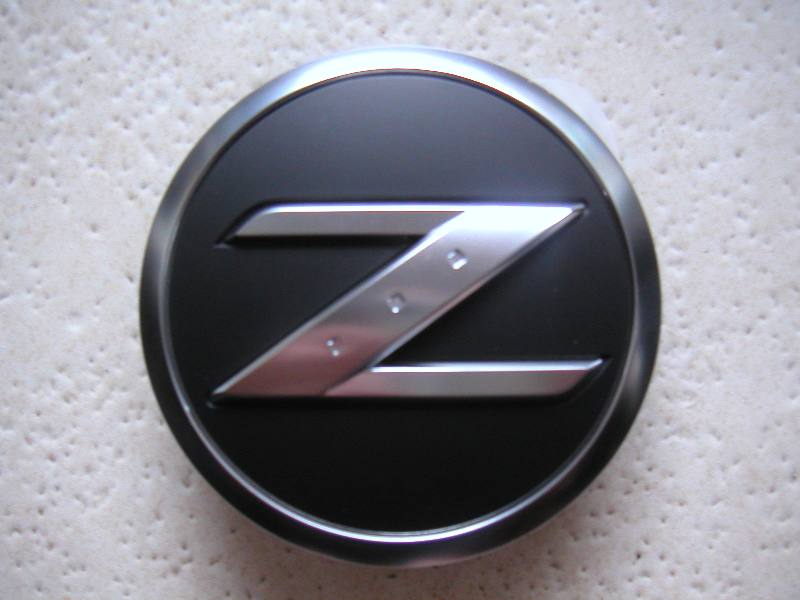
The Z31 came with two nose emblems, 1984-1986 and 1987-1989, plus the special 50th Anniversary badge. Every Z31 model (200Z, 200ZS, 200ZG, 200ZR, 300ZX and 300ZR) used the same badge for its year.
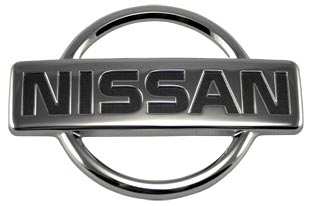
For comparison: the S30 wore a "DATSUN" badge on the hood (some had a "Z"), the S130 a "Z" badge, and the Japanese 10th Anniversary S130 a special shield. The US Z32 had a NISSAN emblem on the nose and no "Z" badge outside; late Z32s had a red or black "Z" nose emblem, and the 350Z moved the "Z" badges to the front fenders.
Floor Mats
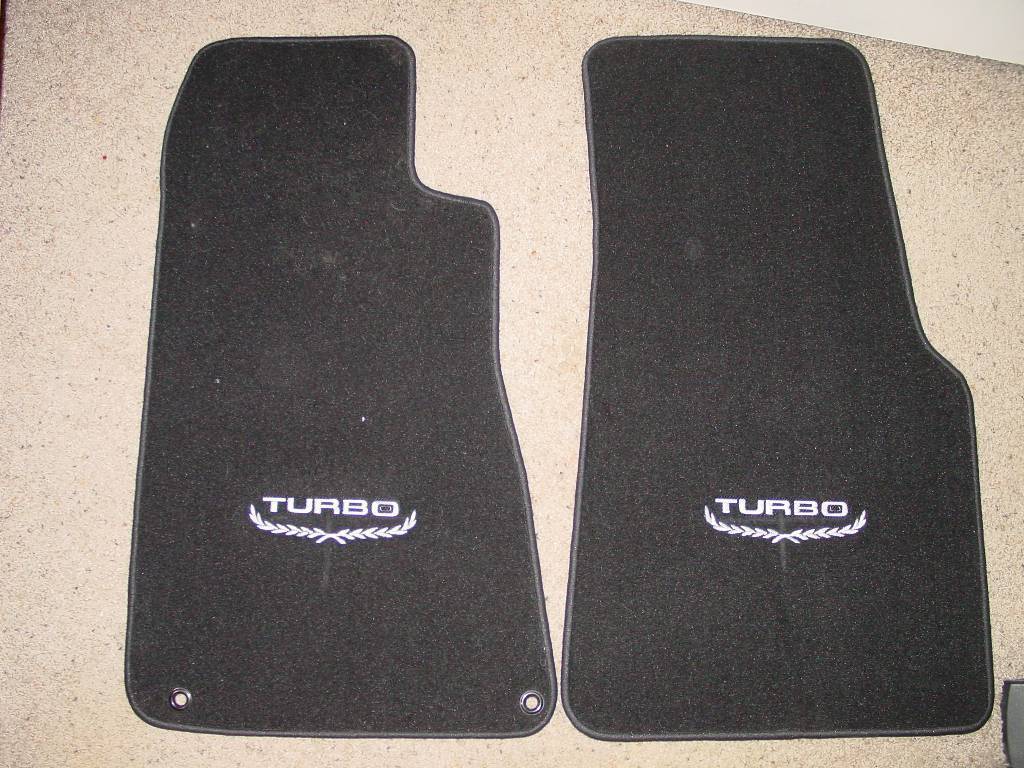
There are basically seven floor mat designs. They all have the same shape and vary by year and by turbo/non-turbo, and the colors changed slightly from year to year. In each photo the driver's mat is on the left.
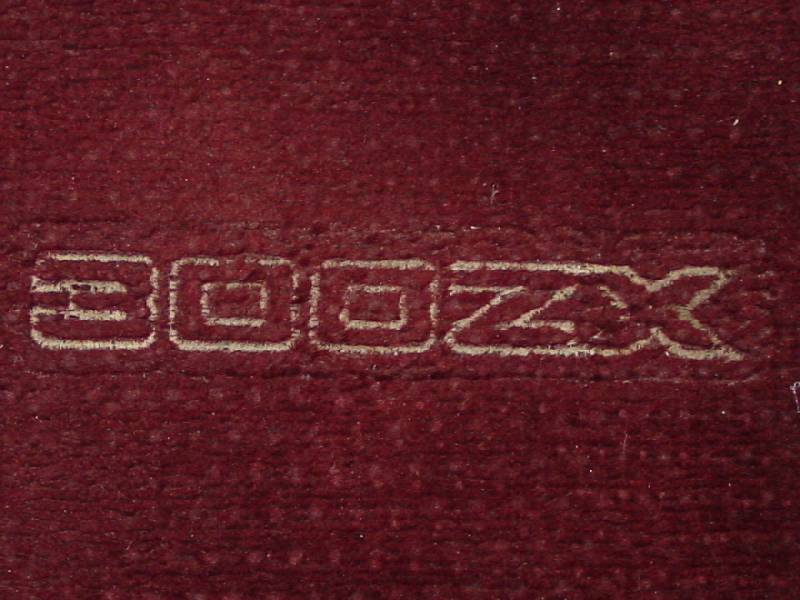

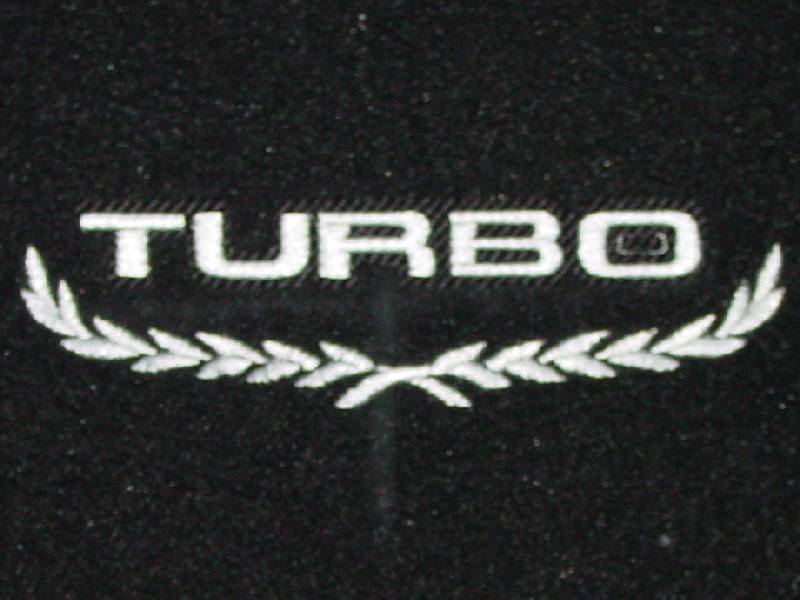
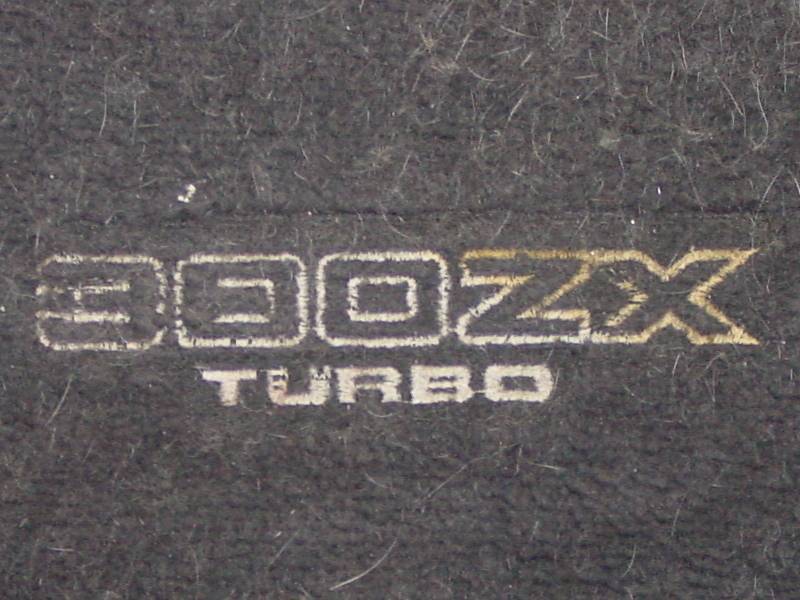
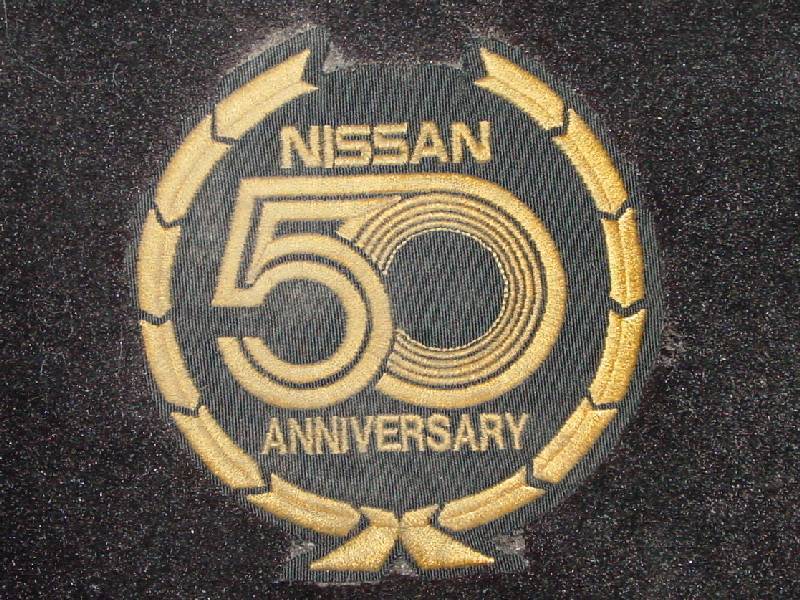
Photos of the 1984-1985 and 1986 non-turbo mats are still needed. If you have a set, send us a picture.
Keys
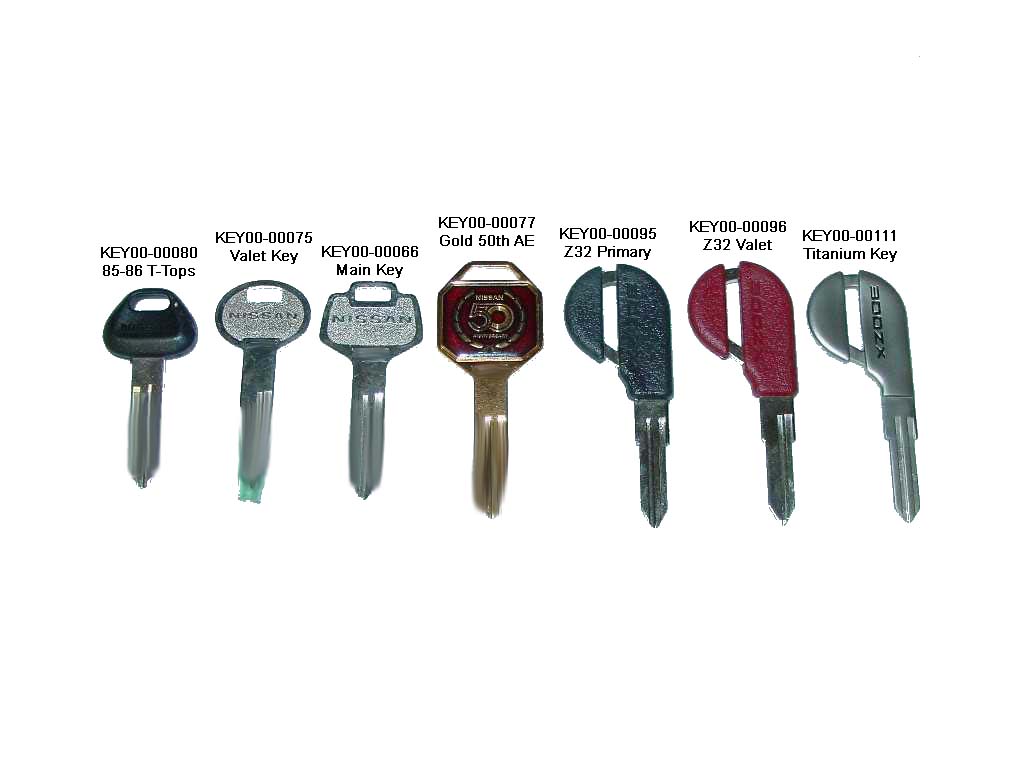
- The only special Z31 key is the gold key from the 1984 50th Anniversary Edition.
- Every Z31 came with a primary key and a "valet" key. The valet key only works the doors and ignition; the primary key works every lock on the car.
- 1984s had no T-top key. 1985-1986s used a smaller black-headed key for the T-tops. 1987-1989s use the main key.
- Any Nissan key blank from 1984 on can be cut to work in a Z31, including the Z32's "300ZX" key and its titanium key.
Sources Used
- Written by: Paul Hillman (AZ-ZBUM), with photos from his collection
- 1984-1989 Nissan Factory Service Manual